

Nobody likes a backseat driver. But in Britain, the ones trying to seize the wheel are not passengers — they are former prime ministers.
The U.K. currently has eight living ex-leaders, an unprecedented number in modern politics. Instead of retreating to quiet retirement or the international lecture circuit, several have chosen to re-enter public debate, sometimes to the irritation of their successors.
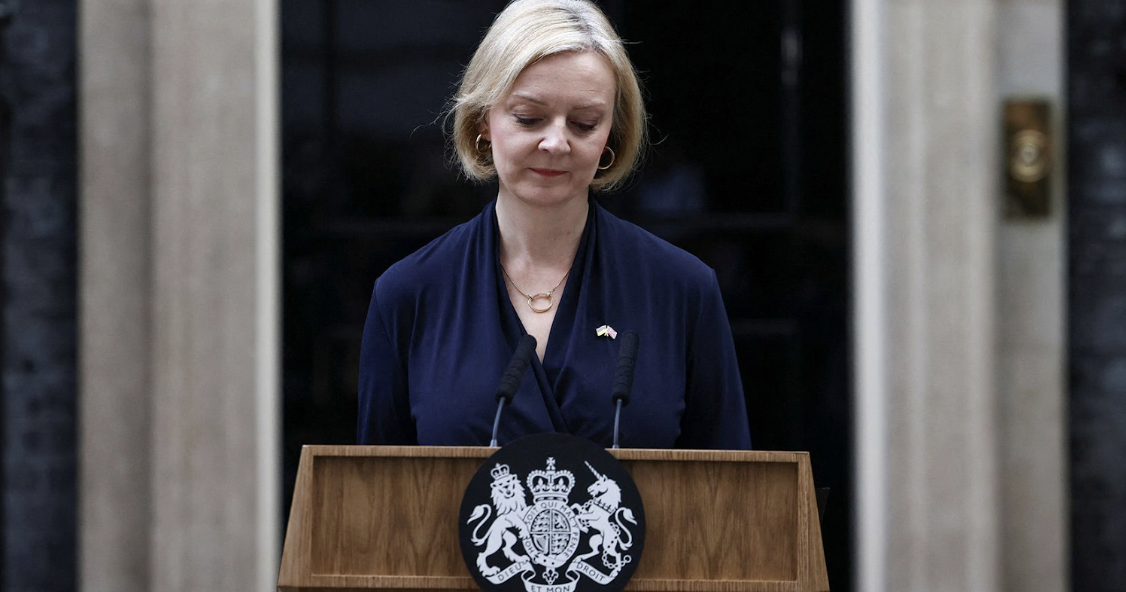
Former Conservative leader Liz Truss has become one of the most vocal, publicly criticizing Business Secretary Kemi Badenoch and urging the government to pursue a harder line on deregulation and tax cuts. On the Labour side, Prime Minister Keir Starmer regularly finds himself on the receiving end of advice — wanted or not — from Tony Blair and Gordon Brown, both of whom continue to shape policy conversations on issues from economic growth to constitutional reform.
While some interventions are welcomed as experienced counsel, others are dismissed as political meddling. “The line between offering wisdom and trying to reclaim relevance can be a thin one,” said Catherine Haddon, a senior fellow at the Institute for Government. “For sitting prime ministers, it can feel like an endorsement one day and an ambush the next.”
Traditionally, British prime ministers left office, wrote memoirs, and largely faded from the domestic stage. John Major and Theresa May have largely followed that path, focusing on select campaigns without constant commentary. But today’s crowded field of former leaders reflects both the instability of the past decade and the enduring appetite of ex-PMs to influence events.
The dynamic is not unique to Britain. Former leaders in countries such as Italy and Australia have also returned to politics or wielded influence from the sidelines. But in the U.K., where turnover has been rapid, the overlapping legacies are creating new tensions.
For Starmer and his government, the challenge lies in striking a balance — drawing on the experience of predecessors while keeping their own authority intact. For the public, the spectacle highlights both the continuity and the turbulence of British politics.
As long as Britain has more ex-prime ministers than many countries have ever had leaders, their voices are unlikely to fall silent anytime soon.

