
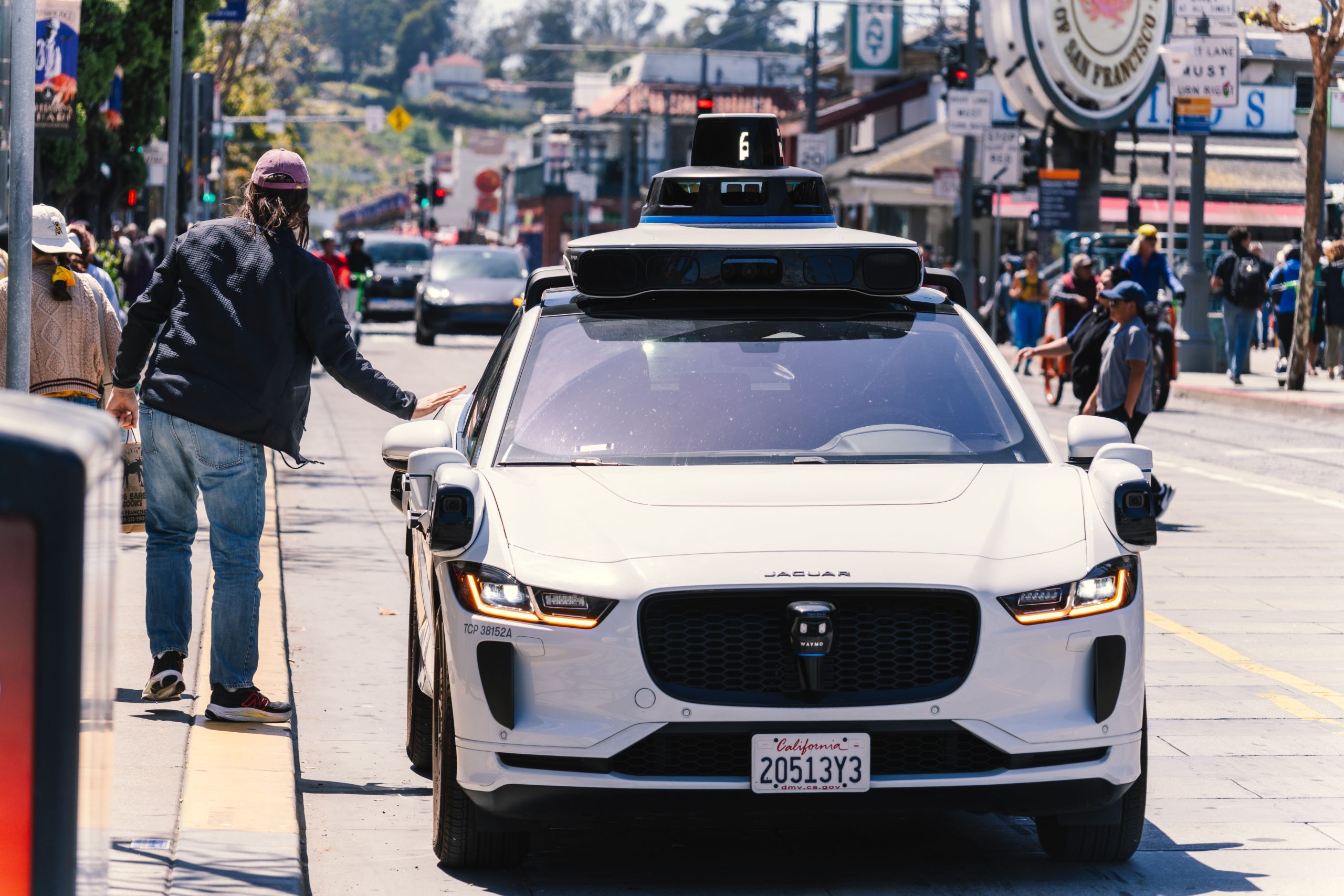

Four Chinese government ministries on Thursday released a roadmap detailing plans for the large-scale deployment of autonomous driving vehicles by 2030. The document, issued by the Ministry of Industry and Information Technology (MIIT) along with three other agencies, aims to establish unified national standards and accelerate the commercialization of smart connected vehicles.
The plan, jointly released with the Ministry of Public Security, the Ministry of Transport, and the Ministry of Housing and Urban-Rural Development, outlines a two-stage approach. According to the document, the first goal is to achieve large-scale commercial application of vehicles with Level 3, or conditional, autonomous driving capabilities by 2025. The roadmap defines this stage as enabling automated systems to perform most driving tasks, though human oversight is still required.
By 2030, the government targets the widespread use of Level 4, or high-level, autonomous vehicles in specific operating environments. This level of technology allows a vehicle to operate independently without human intervention under certain conditions. The plan also calls for the development of a fully integrated and coordinated system for autonomous vehicle operation by that year.
To facilitate these goals, the ministries will begin pilot programs for market entry and on-road operation of autonomous vehicles in select cities. These programs are intended to help create a unified set of standards for vehicle testing, safety verification, and operational protocols. The initiative seeks to formalize the legal and regulatory framework necessary for deploying self-driving technology on public roads.
The roadmap emphasizes the need to build a comprehensive ecosystem to support the industry. This includes improving road infrastructure, establishing reliable network communications, and ensuring vehicle and data security. The document states these efforts are part of a broader national strategy to build a “strong automobile country” and enhance the global competitiveness of China’s auto sector. The plan did not specify which cities would be selected for the initial pilot programs.

