
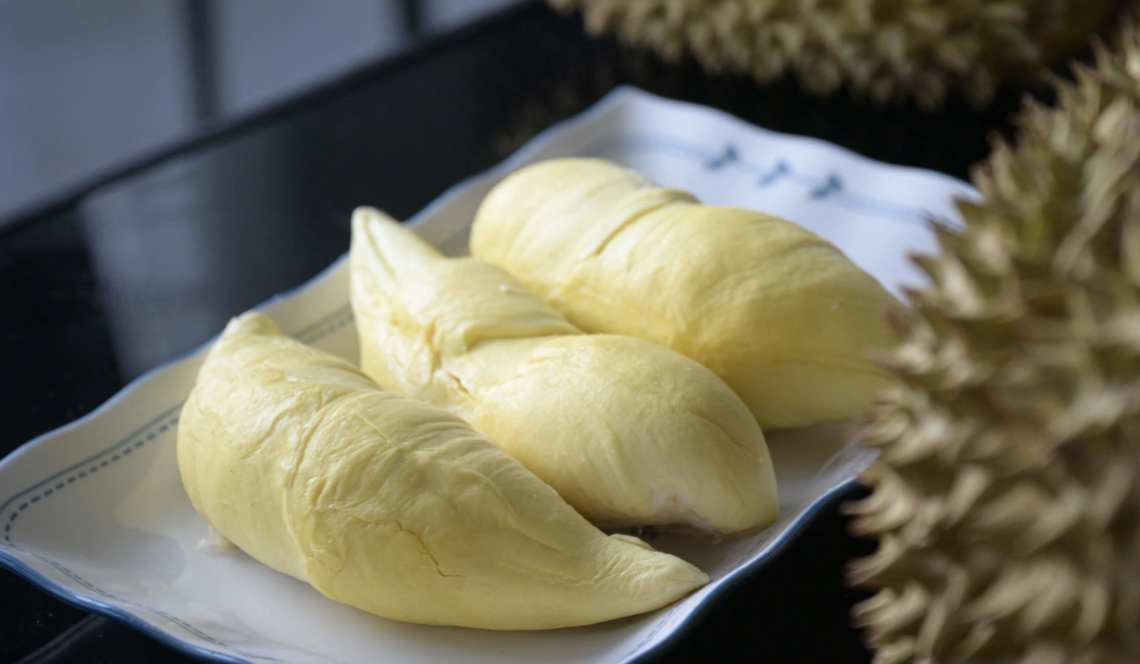

China’s accomplishment of growing durians locally is transforming the regional fruit market and making officials in Vietnam anxious, as Vietnam is still the major fruit supplier to China.
Vietnam has been the major winner in the last several years regarding durian exports to China, and the business has been bringing in billions of dollars every year. The fruit has become a crucial agricultural export product for Vietnam, creating jobs, increasing the income of rural areas, and intensifying trade relations with Beijing. But things may turn out quite differently if China remains successful in its durian cultivation.
The changes will have a huge economic impact. In the wake of Thailand losing its influence as the main source of durians, Vietnam has been the greatest beneficiary of it and has become the most reliable supplier of the fruit. But fast-growing domestic durian farming in China can, to a significant extent, lower import dependencies. If Chinese-grown durians are as good and sufficient as expected, Vietnam will lose a considerable part of the Chinese market.
Vietnamese farmers and exporters are now confronted with an issue consisting of two parts: the possibility of excess supply and a more competitive market. It is probable that the price of durians will drop in the event of Chinese production expanding, thus profits for Vietnamese exporters will fall. Thus, local producers should raise quality standards, make investments in branding, and expand into new foreign markets to avoid excessive dependence on China.
It is well-known that the shift is highlighting the weakness of the agricultural sector in Vietnam, which is overly reliant on a single market, experts advise. China will most probably remain a significant purchaser in the short run, but independence could slowly change trade routes. Consequently, Vietnam should speed up deals with other markets like South Korea, Japan, and European ones to keep its durian industry safe from future disruptions.
Meanwhile, for China, there are economic and strategic benefits that come with growing durians domestically. China can enjoy having fewer imports, stable prices domestically, and being in line with the government policy of agricultural self-sufficiency. The change also allows China to benefit more from its domestic supply chain, which includes farming and selling, while at the same time, it keeps more money in China than in other countries.
The future of the durian trade and the industry as a whole will affect the two countries in different ways; they will have to react to the situation differently. Vietnam has to start preparing for a future without its export-driven economy, while China is making plans to become a player in the global fruit trade as a local consumer and grower. China sourcing durian from domestic cultivation trajectories will be a critical factor in the long-term character of war in the Southeast Asian agricultural economy.

