
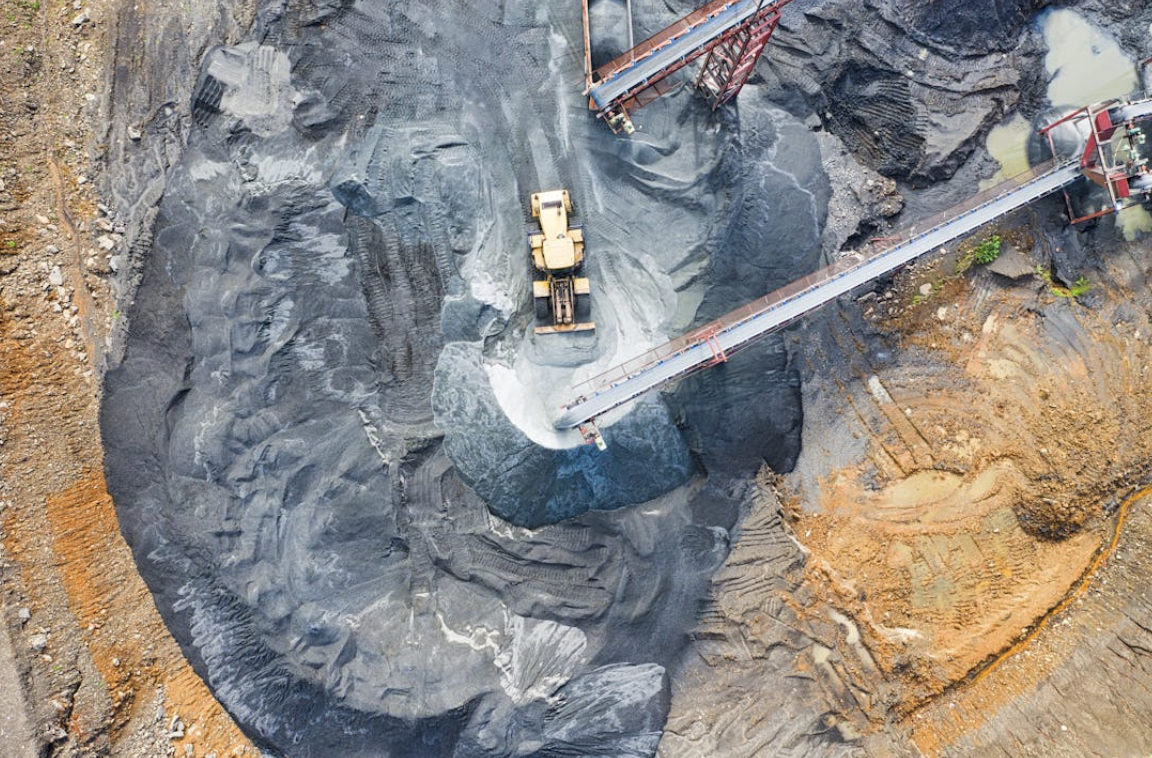

A couple of days after Chinese President Xi Jinping received Australian Prime Minister Anthony Albanese, Beijing decided to resume work at a key lithium mine in Yichun, Jiangxi Province (accounting for 8% of the total worldwide lithium supply), as a result of which, stock markets all over the world went into a tailspin. Australia is one of the countries that has been most affected by this event.
There had been a mine shutdown in August, following the expiration of its operating license, which had only just lifted lithium prices and mining stocks since it was widely assumed that China was about to issue tighter resource controls. Therefore, the reopening was interpreted as a release of an abundance of lithium back on the market—a fact that was represented by the fall of prices and related equities.
The immediate reaction in Australia was unbelievable. The major stocks of lithium carriers were hit hard, and they plunged rapidly; Pilbara Minerals lost 15% in value, Liontown was down by 17%, and IGO decreased by 13.5%. The impact on the wider market, however, was not only that strong: the shares of Rio Tinto and BHP decreased by almost 1.7% in value. The changes, which are seen as a result of the shifts, deleted approximately $8.4 billion worth of Australian mining stocks in just one trading session.
It is worth bringing up that as U.S.-based lithium companies SQM and Albemarle were also affected and fell into the red zone, although to a somewhat lesser extent, that is, nearly 9% and 11%, respectively. The fact clearly shows how globally interconnected the lithium market is.
Lithium is the main source of power for the worldwide electric vehicle (EV) revolution; in other words, the whole battery system from electric cars to home power storage could not be without this metal. Prices are very reactive when there are changes in supply, and the example of this mine reopening really shows the vulnerability of market balance.
Symbolically Chinese move is speaking volumes among other things. It happened only a few days after Australian Prime Minister Anthony Albanese, during a phone conversation with U.S. President Donald Trump, pointed out the issues on critical minerals and the trade relationship with China. Australia is widely known as a country with abundant mineral resources, but it exports mostly raw materials to China, only to be processed there. The reopening underscores China’s capital circulation through this sector and highlights the gaps in Australia’s ranks as a minerals provider.
The message sent to Australian policymakers and investors is that there is no question about the presence of economic and strategic risks caused by the volatility of the global lithium market and supply chain dependencies. Australia may have enormous reserves but still, but it still has to go through the complicated trade relations and processing bottlenecks, which are even worse when the global supply is changing drastically due to decisions being taken in far offshore locations.

