
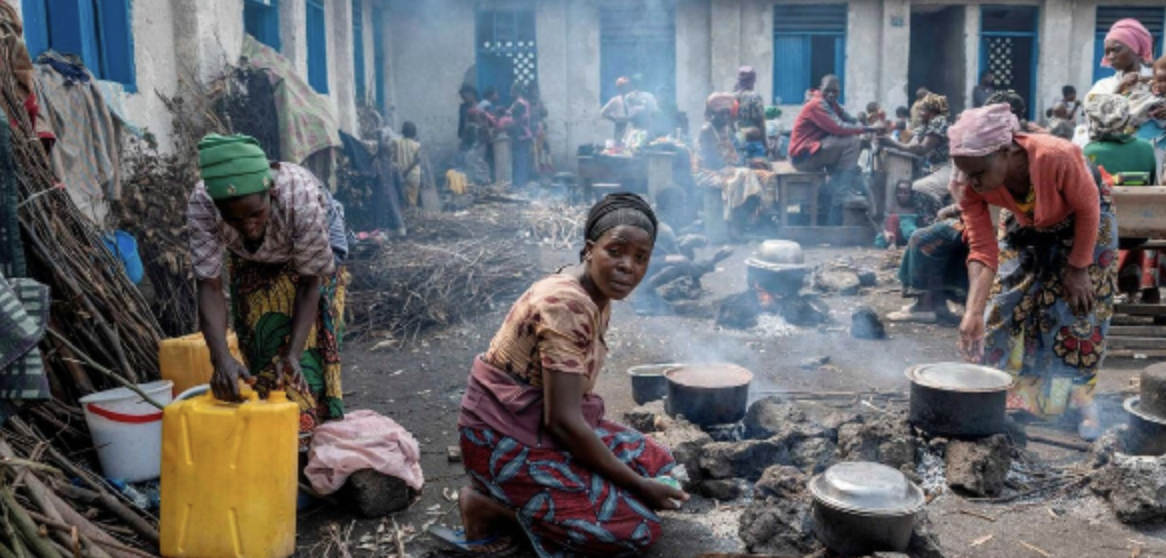

Despite the ongoing turmoil, refugees from Congo are already returning to their houses in the eastern part of the Democratic Republic of Congo and to places like Mushaki in North Kivu in particular.
Apart from the most recent flight, many had run away already in 1996 because of the conflict and are now going back to the affected areas.
In Addis Ababa in July, the DRC and Rwanda officials as well as the UNHCR representatives signed a common commitment to voluntarily repatriate in a way that is safe and respects human dignity.
The local people in Masisi and Rutshuru territories have made announcements that some parcels of land are prepared for the influx of the returnees. M23, a rebel group that occupies areas in North Kivu, has reportedly stated that the security requirements necessary for the implementation of the agreement are to a significant extent already met there.
The number of internally displaced people in the DRC amounts to more than 7 million, out of which 5 million are in the eastern provinces.
The latest statistics from early 2025 show the number of people who have been displaced as a result of the continued clashes to be approximately 139,000. The DRC is a host country that shelters over half a million refugees and people seeking asylum.
The returnees’ families are confronted with many difficulties such as their demolished houses, farmlands that have been taken over, and lack of the most basic infrastructure. A few are charged exorbitantly for the lands they have to reclaim while others are confronted with disputes that have a potential of causing further unrest in the area.
Aid workers are raising the alarm that the lack of laws and resources may become a big obstacle in the reintegration process.
Since last January, the M23 rebel group, supported by the Rwandan forces according to UN experts, has been taking over vast areas in both North and South Kivu.
This has been the main factor behind the new waves of displacement and the obstructed movement of the humanitarian workers. \
While some of the communities are reopening their doors, the majority still do not have necessary basic amenities and remain vulnerable to the possible resurgence of fighting.
The return of the refugees could be a step toward normalization in the eastern part of DRC. Nevertheless, the achievement of long-lasting security in the areas, providing the required services, and succeeding in conflict management all over the region will be issues that reintegration efforts in the area will depend on to a large extent.

