

Medical professionals and health officials in Cuba are reporting widespread shortages of medicine, fuel, and supplies, which they link to deteriorating public health indicators, including rising infant and maternal mortality rates. They attribute the situation to United States economic sanctions that were intensified in recent months, including a fuel blockade announced on Jan. 29.
Dr. Alioth Fernandez, head of the surgical and anesthesiology department at William Soler Pediatric Hospital in Havana, reported a significant change in patient outcomes. According to Fernandez, the survival rate for neonatal surgeries at the hospital, previously over 90 percent, fell below 50 percent in the first half of this year. He stated that many deaths resulted from infections linked to diminished hygiene, malnutrition, and a limited availability of antibiotics.
“Now, we have to… decide who gets to be operated on,” Fernandez said, describing the process of allocating limited resources for a single surgery among multiple patients.
The challenges in Cuba’s healthcare system are occurring in the context of long-standing U.S. economic restrictions. The Trump administration has implemented what it calls a “maximum pressure” campaign, which included designating Cuba a “state sponsor of terrorism.” The designation can complicate international banking transactions with Cuban entities.
Following the administration’s policy changes, two major shipping companies, Hapag-Lloyd and CMA CGM, announced they would cease operations in Cuba. Last month, United Nations High Commissioner for Human Rights Volker Turk commented on the situation, stating, “Children are dying because doctors lack access to essential medical supplies and medicines.”
In February, the Cuban government announced emergency energy-saving measures, which included the suspension of all non-essential medical services. Cuba’s Ministry of Public Health (MINSAP) has since released data indicating a decline in several key health metrics.
According to MINSAP, the infant mortality rate increased from 4.0 deaths per 1,000 live births in 2017 to 9.9 in 2025. The maternal mortality rate rose to 44.1 deaths per 100,000 live births by the end of 2025. The ministry also reported that survival rates for childhood cancer dropped from 85 percent to 65 percent.
Dr. Lilian Delgado, an obstetrician at a major maternity hospital in Havana, said there has been a rise in premature births and severe complications among pregnant women. “Our surgical services are severely hampered by a lack of supplies,” Delgado noted, explaining that operating rooms are often occupied with emergency cases, delaying elective surgeries.
MINSAP reported that over 100,000 Cubans are on waiting lists for elective or reconstructive surgeries, including 5,152 cancer patients and approximately 12,000 children.
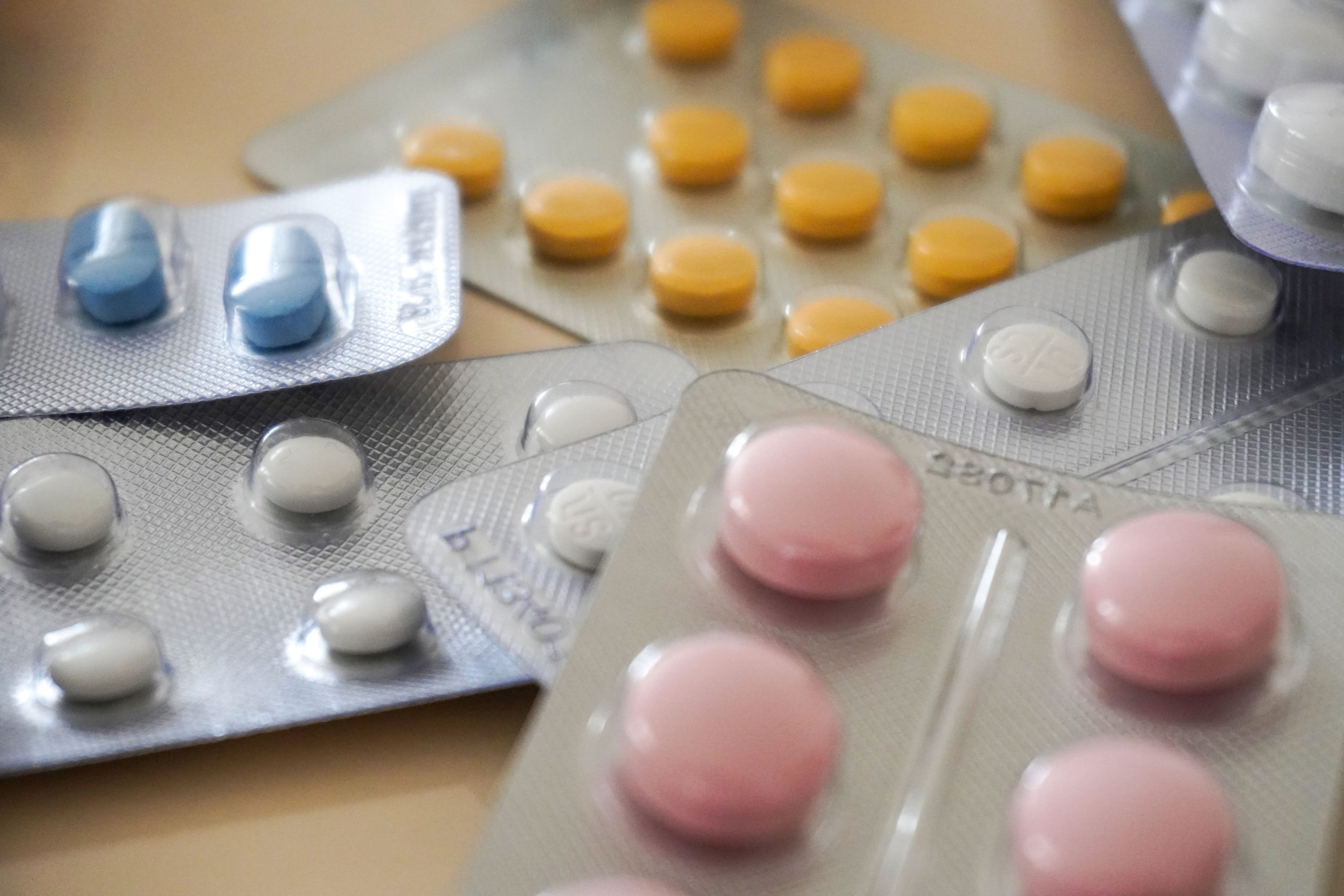
The shortages extend to pharmaceuticals. A recent MINSAP statement indicated that 300 of the 395 medicines produced domestically were out of stock due to difficulties in securing raw materials. A pharmacy clerk in Havana, who spoke on the condition of anonymity, described receiving deliveries months apart, with stock often depleted on the first day.
Dr. Roxana Martinez, a family doctor in Havana, said the lack of medicine has forced her to recommend herbal alternatives for conditions like hypertension. She also reported that her patient load has grown from approximately 1,875 to over 3,000 after her clinic absorbed a second practice due to a shortage of doctors. “The workload is overwhelming, but I take it on because the patients need it,” Martinez said.

