
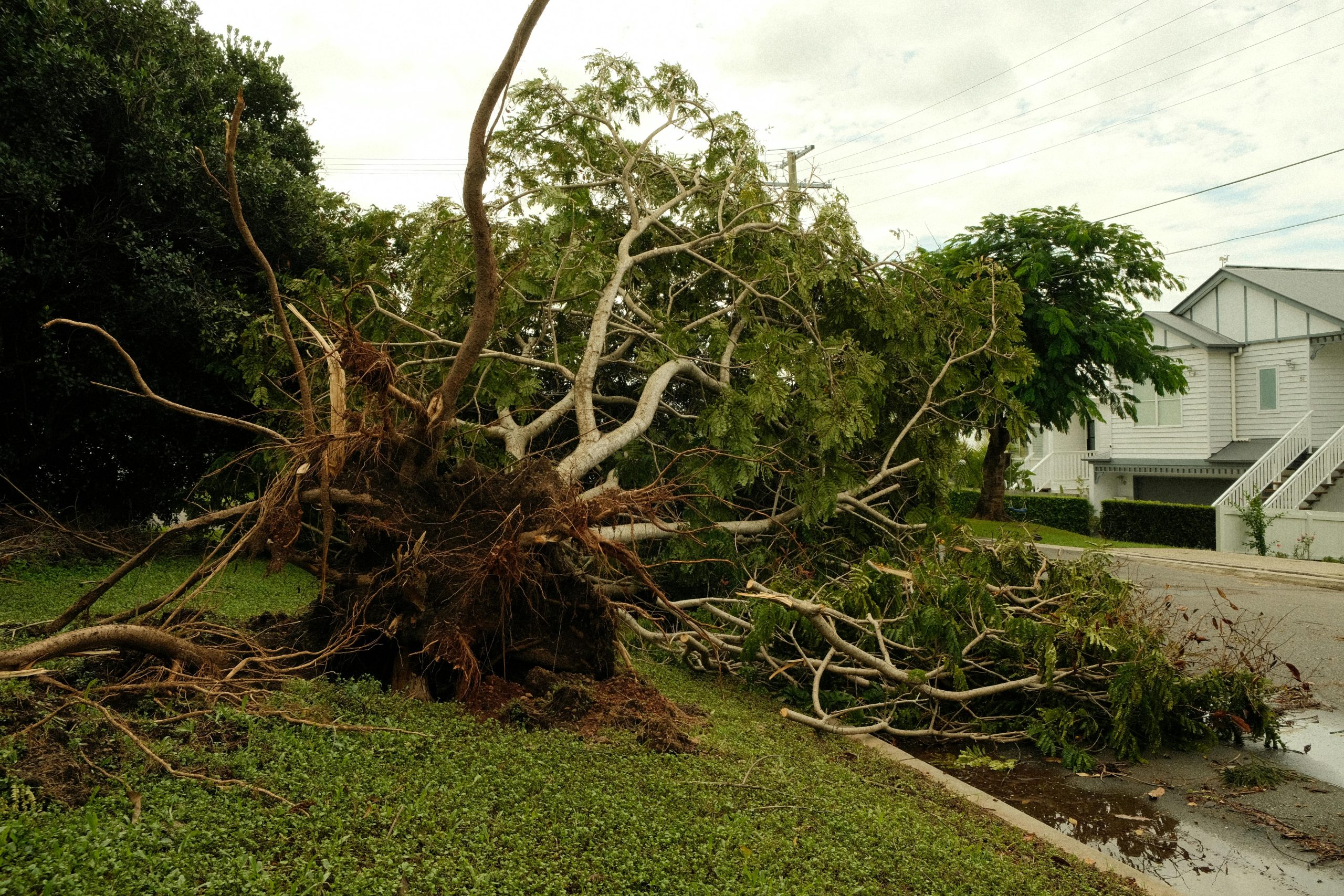

At least four people died after Cyclone Gezani made landfall in Mozambique’s southern Inhambane province on Saturday, February 15, according to government officials. The cyclone reached Mozambique after passing over Madagascar earlier in the week, where authorities have reported at least 41 fatalities and significant infrastructure damage.
In Mozambique, the storm system brought winds of up to 215 kilometers per hour (134 mph), the Agence France-Presse (AFP) news agency reported, citing meteorologists. The national electric company stated that downed trees and power lines left more than 13,000 people without electricity. Officials also confirmed that water supplies were cut off in several districts of the city of Inhambane, which has a population of approximately 100,000.
This weather event follows recent flooding that, according to the United Nations Office for the Coordination of Humanitarian Affairs, affected more than 700,000 people and damaged over 170,000 homes in the southern African country.
Prior to its arrival in Mozambique, Cyclone Gezani moved across Madagascar. The government of Madagascar declared a national emergency, stating the storm caused an estimated $142 million in damages. In addition to the reported deaths, officials confirmed at least 427 people were injured and approximately 16,300 were displaced.
The cyclone’s eye passed over Toamasina, Madagascar’s second-largest city, on Tuesday. Colonel Michael Randrianirina, a national official, stated that about 75 percent of the city had been destroyed.
Tania Goosens, the World Food Programme’s (WFP) director for Madagascar, provided an update on conditions in Toamasina on Friday.
“The authorities have reported that 80 percent of the city has been damaged,” Goosens told reporters. “The city is running on roughly 5 percent of electricity, and there is no water.”
Goosens added that the WFP’s local office and one of its warehouses “were also completely destroyed.”

