
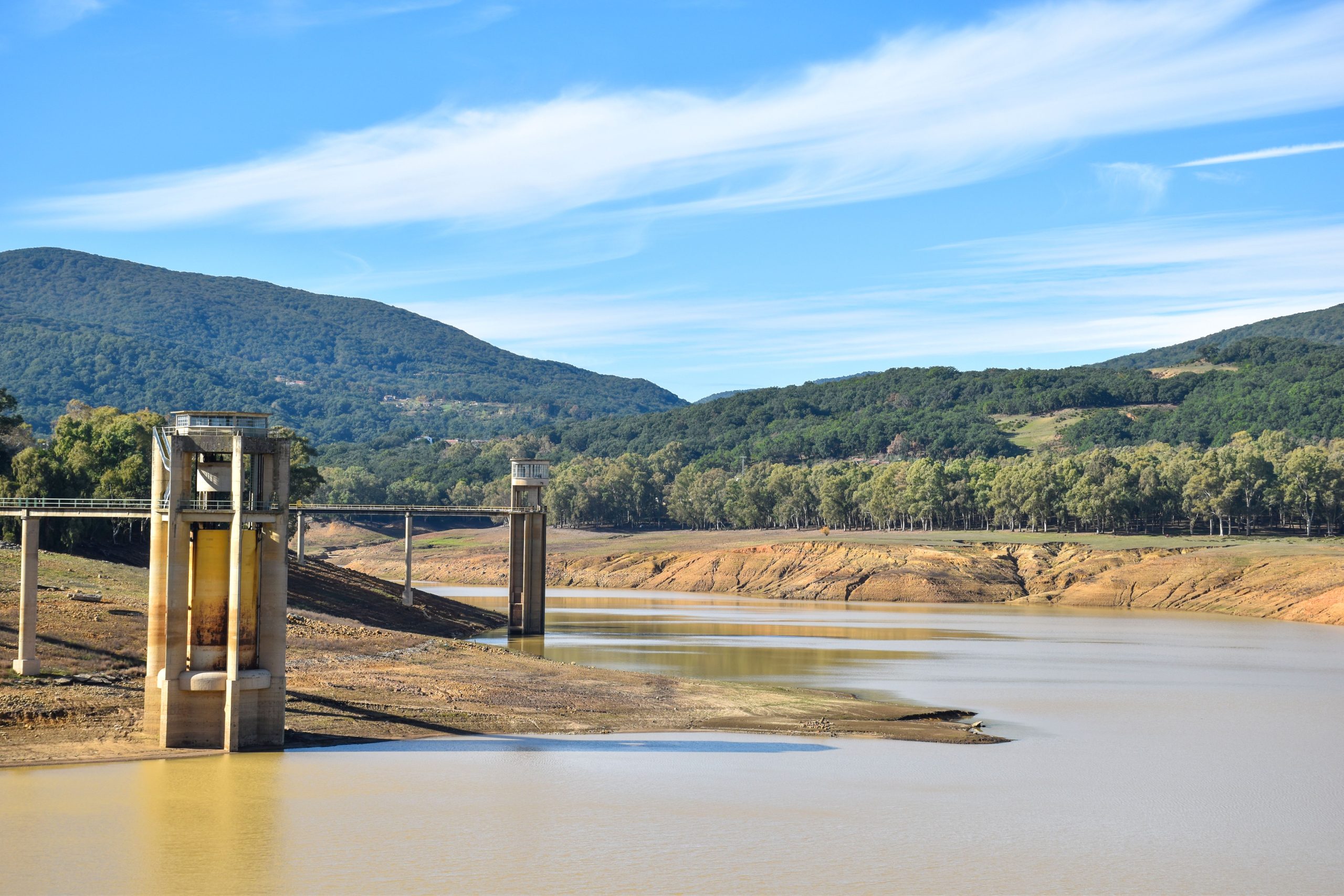

Authorities in several European countries are taking measures in response to historically low water levels on the Rhine and Danube rivers, which have disrupted energy production and commercial shipping. In early August 2026, a prolonged drought prompted actions including the use of underwater detonations to deepen a river channel in Romania and has led to operational changes at power plants and for freight transport in the region.
On August 3, the Romanian navy conducted controlled underwater explosions in the Danube River near Izvoarele village, according to reports. The action was intended to deepen the channel and increase water flow to the cooling systems of the Cernavoda Nuclear Power Plant. Romania’s government had previously shut down one of the plant’s reactors due to the low water levels. The drought has also affected operations at Hungary’s Paks nuclear plant, which provides approximately 40% of the country’s electricity, and reduced hydropower generation in Serbia.
In Germany, the water level on the Rhine River at Kaub, a key point for shipping, fell to 24 centimeters on August 3, its lowest point since record-keeping began in 1880, according to official data cited by Bloomberg. The level is below the 78-centimeter mark considered critical for many vessels to navigate with full loads. As a result, cargo barges must reduce their weight, which increases freight transportation costs and adds low-water surcharges.
The situation highlights the role the rivers play in the European economy. “Major rivers like the Rhine and Danube are critical trade corridors and sources of water for industry and energy generation, so when water levels fall, the effects extend far beyond the waterways themselves,” said Liz Saccoccia, water security lead at the World Resources Institute, in a statement.
Saccoccia noted that the low water levels have forced some nuclear and hydropower facilities to reduce electricity generation and have hindered the shipment of agricultural products.
The economic impact in Germany could be significant, according to Stefan Kooths, a professor of economics at the Kiel Institute for the World Economy (IfW). Kooths estimated the low water levels on the Rhine could reduce Germany’s gross domestic product (GDP) by up to 0.2 percent in the third quarter. He calculated this represents a loss in value added of approximately 1 to 2 billion euros ($1.15 billion to $2.3 billion).
Felix Schmidt, a senior economist at the German bank Berenberg, said that businesses may have anticipated the low water levels, as it has become a recurring issue. He noted that some companies have responded by increasing inventory or diverting goods to rail and road transport, though freight rates have risen. Schmidt also commented on the broader context. “You have infrastructure which gets destroyed by the heat. You have energy supply, which is affected, like the nuclear plants being shut down in Hungary, France and Switzerland,” he said.

