
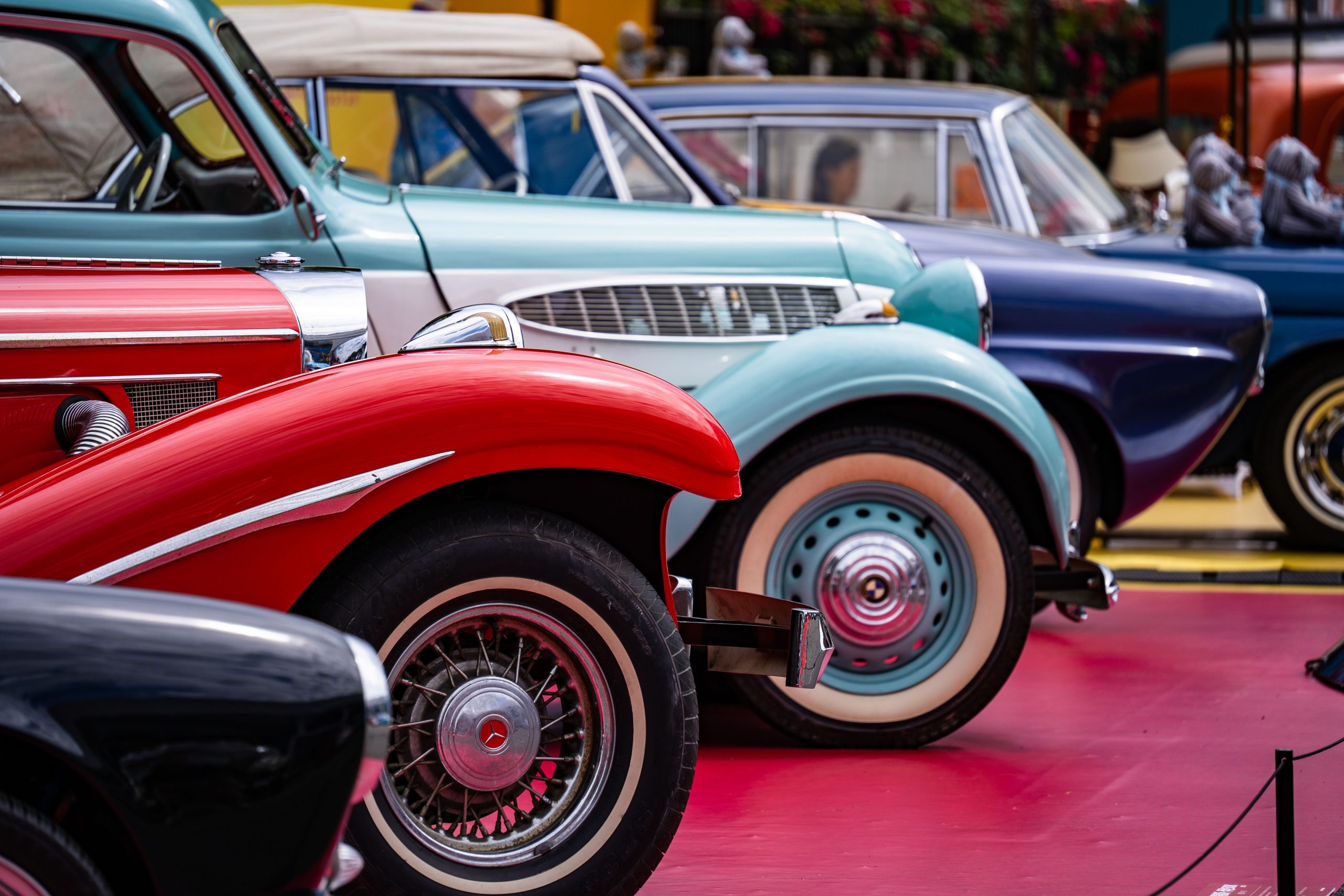

Chinese automobile manufacturers on Friday opened the first Chinese Auto Show in Buenos Aires, Argentina, showcasing a range of vehicles to the public. The event is being held as brands originating from China report an increasing share of the local automotive market and follows recent changes to Argentina’s import policies under President Javier Milei’s administration.
The exhibition, hosted at the La Rural convention center, features models from several Chinese automakers, including Chery, JAC, Great Wall Motors (GWM), and Foton. Organizers stated the event’s purpose is to present the latest models and technologies from these brands directly to Argentine consumers.
The show comes at a time of notable growth for Chinese vehicles in the Argentine market. According to recent data from the Association of Automotive Dealers of the Argentine Republic (ACARA), the market share for vehicles imported from China has risen. In the first five months of 2024, these vehicles accounted for 11.4% of total new car sales in the country, up from 8% during the same period in 2023. ACARA’s reports also show that models like the Chery Tiggo 2 Pro have entered the list of the top 20 best-selling vehicles in Argentina this year.
This market development is concurrent with significant shifts in Argentina’s economic and trade policies. Since taking office in December 2023, President Milei’s government has moved to alter the country’s import framework. The previous SIRA import licensing system, which required government pre-approval for purchases abroad, was replaced in December by the new Statistical System for Imports (SEDI).
In statements, officials from the Ministry of Economy have said the policy change aims to streamline and simplify the process for bringing foreign goods into the country. The government has also indicated its intent to reduce certain import tariffs to foster greater competition and lower consumer prices.
Local automotive industry groups have noted the changes. The Association of Automotive Factories (ADEFA), which represents automakers with production facilities in Argentina, has commented on the need for a policy framework that supports both domestic manufacturing and fair competition. Historically, Argentina’s automotive sector has operated with regulations designed to protect and encourage local production through tariffs and import controls.
The Chinese Auto Show in Buenos Aires is scheduled to continue through the weekend, with organizers anticipating attendance from both the public and industry representatives.

