
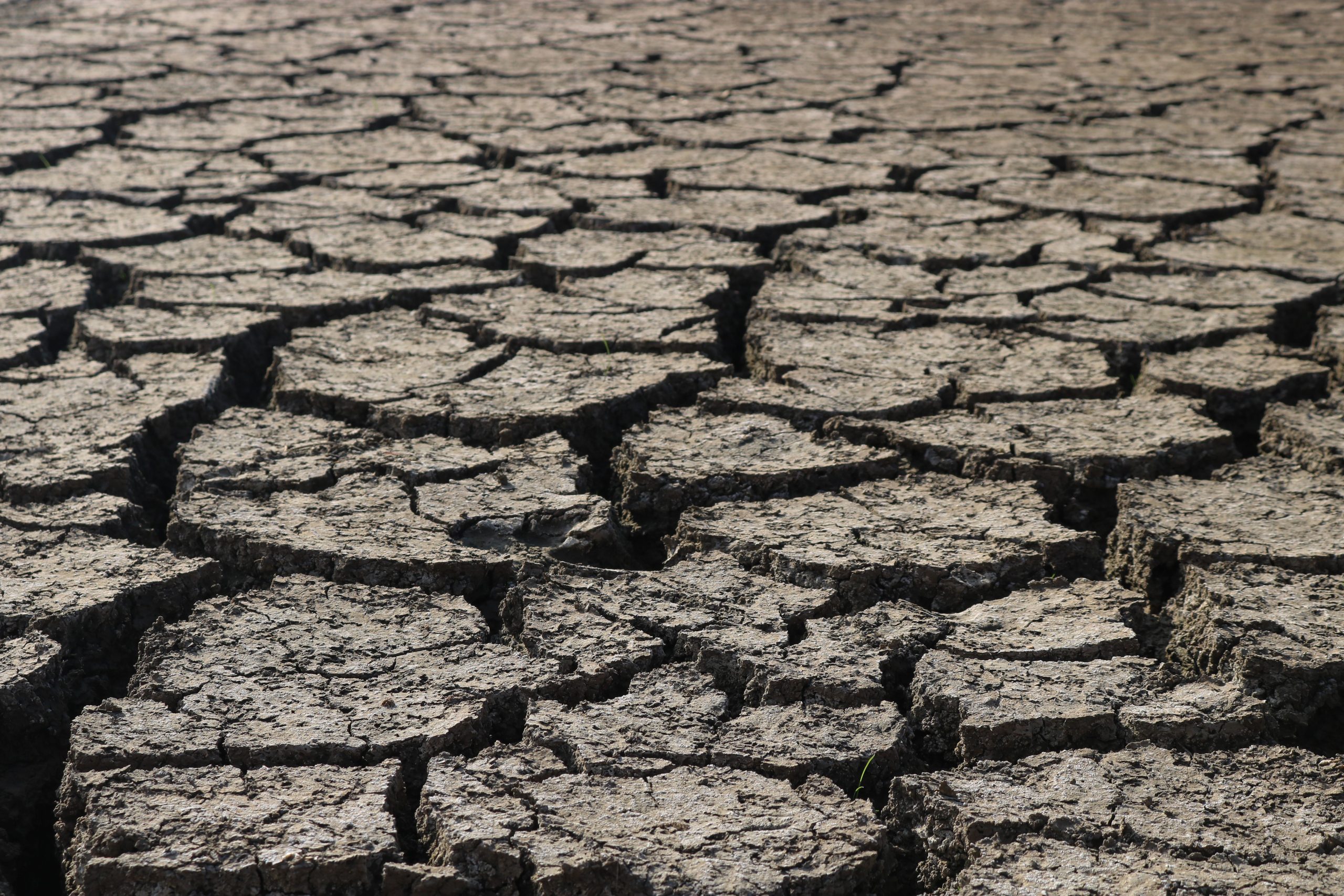

France’s agriculture ministry has projected that the country’s wine production could fall to a 70-year low in 2026, following a third consecutive year of reduced output. Winemakers across France are contending with the effects of high temperatures and drought, which have impacted harvest volumes and timelines.
The ministry’s projection follows a period of difficult growing conditions. Florent Latour, CEO of Maison Louis Latour in Burgundy, reported that while the quality of the 2026 harvest was high, the volume was approximately half of a typical yield.
“Just a bit more rain would have produced a fantastic harvest on both counts, but we had to settle for quality,” Latour said.
High temperatures have also resulted in earlier harvests. Latour noted that his estate began its 2026 harvest on Aug. 14, the earliest date on record for the domaine. He stated that the midpoint of the harvest has moved three days earlier each decade since the 1930s.
Jean-Marie Cardebat, chair of wines and spirits at the INSEEC Grande École university, said that all French wine regions are now affected by heatwaves. He observed that while southern regions like Bordeaux and Languedoc-Roussillon reported higher yields compared to the previous year, more temperate areas such as the Loire Valley and Champagne have experienced significant impacts.
Cardebat also compared France’s situation to that of Spain, noting that Spain has more developed irrigation networks. “In France, setting up such measures takes time,” he said. French appellation (AOC) rules generally restrict irrigation except in certain cases.
In response to changing climate conditions, some producers are adjusting their practices. In 2025, Chateau Lafleur announced it would withdraw its wines from the Pomerol and Bordeaux AOC designations. The estate’s owners, the Guinaudeau family, stated the move would allow them to adapt to “the reality of climate change with precision and effectiveness” by providing more flexibility than the rigid AOC rules permit.
The economic effects extend beyond the vineyards. The French government downgraded its national growth forecast for the year from 1% to 0.5%, estimating that the heatwave and drought would account for a 0.1 percentage point reduction. In September, the government announced an aid plan of over 1 billion euros to support farmers and winegrowers.
According to Cardebat, business failures in the wine sector tripled between 2019 and 2025. “The more the climate is disrupted, the less capacity there is to invest — even though we need to invest more,” he said.
The sector is also facing other pressures, including declining domestic wine consumption and a surplus of stock. A government support program offers growers 4,000 euros per hectare to permanently remove vines, with an estimated 4% of all French vines scheduled for removal in 2026.
In response, industry figures are exploring new products and international markets. Cardebat identified the United States as a market for new products like ready-to-drink options and cited South America, Brazil, and India as potential growth areas. Latour also pointed to South America, Brazil, and Africa as important markets for his company.

