
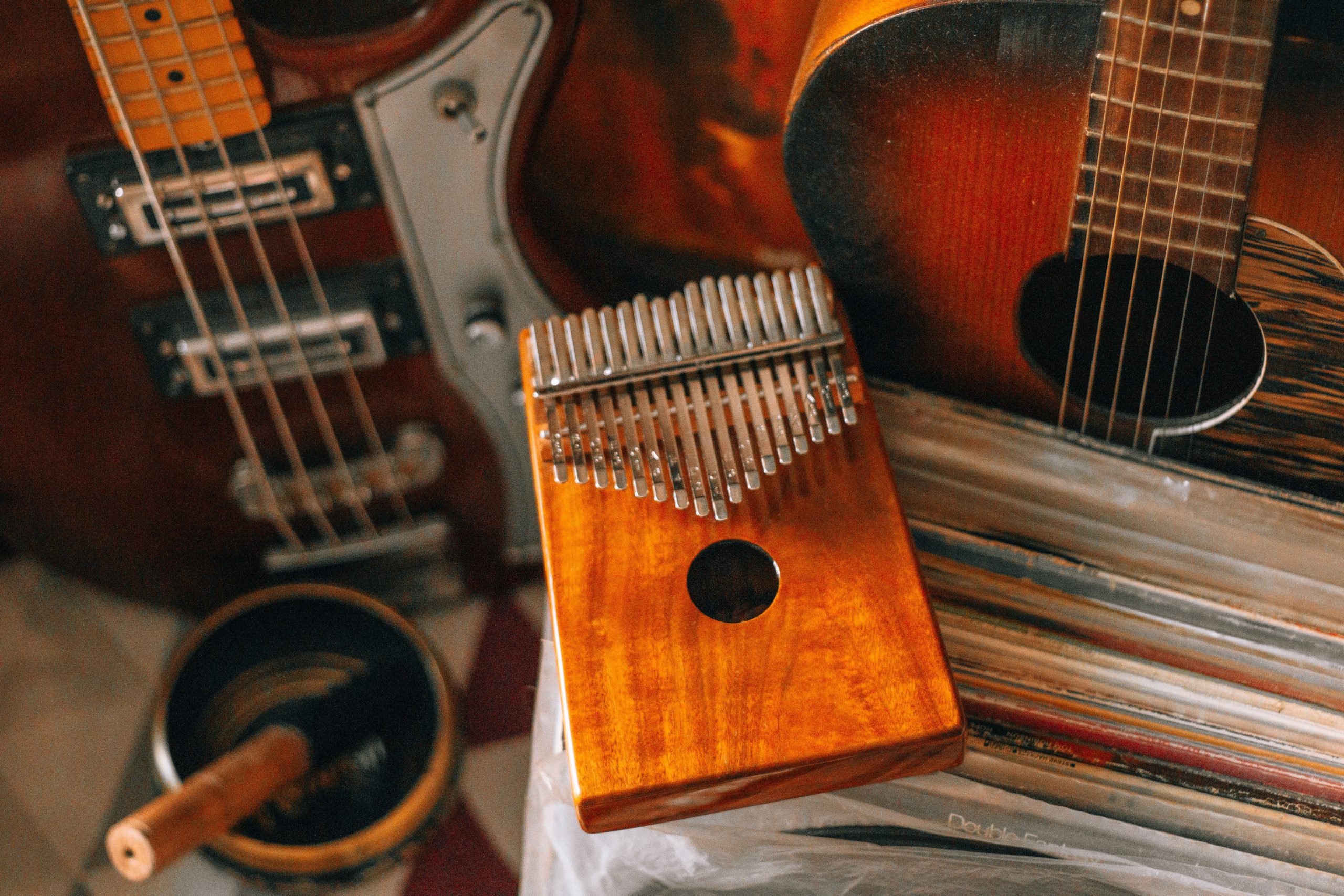

A festival celebrating the traditional mbira instrument was held in Harare on Friday, featuring musical performances aimed at highlighting Zimbabwe’s cultural heritage. The event focused on the mbira, an instrument central to the nation’s history and recognized by the United Nations Educational, Scientific and Cultural Organization (UNESCO).
The mbira is a handheld instrument constructed with metal keys, or tines, mounted on a wooden soundboard. It is often placed inside a gourd resonator, known as a “deze,” to amplify its sound. The instrument plays a significant role in the cultural and spiritual traditions of the Shona people of Zimbabwe and has been passed down through many generations.
In 2020, UNESCO inscribed the art of crafting and playing the mbira on its Representative List of the Intangible Cultural Heritage of Humanity. According to UNESCO, the instrument’s music is a vital component of Shona culture, traditionally used in ceremonies, celebrations, and community gatherings. The recognition highlighted the need for its safeguarding and transmission to future generations.
The festival in Harare is part of ongoing efforts within Zimbabwe to preserve and promote indigenous musical practices. According to reports from the event, attendees gathered to listen to musicians perform on the mbira and other traditional instruments. The stated goal of such events is to ensure the continuation of the musical tradition and increase its visibility both nationally and internationally. Organizers of cultural initiatives in the country have previously stated that promoting traditional arts is essential for maintaining cultural identity.

