
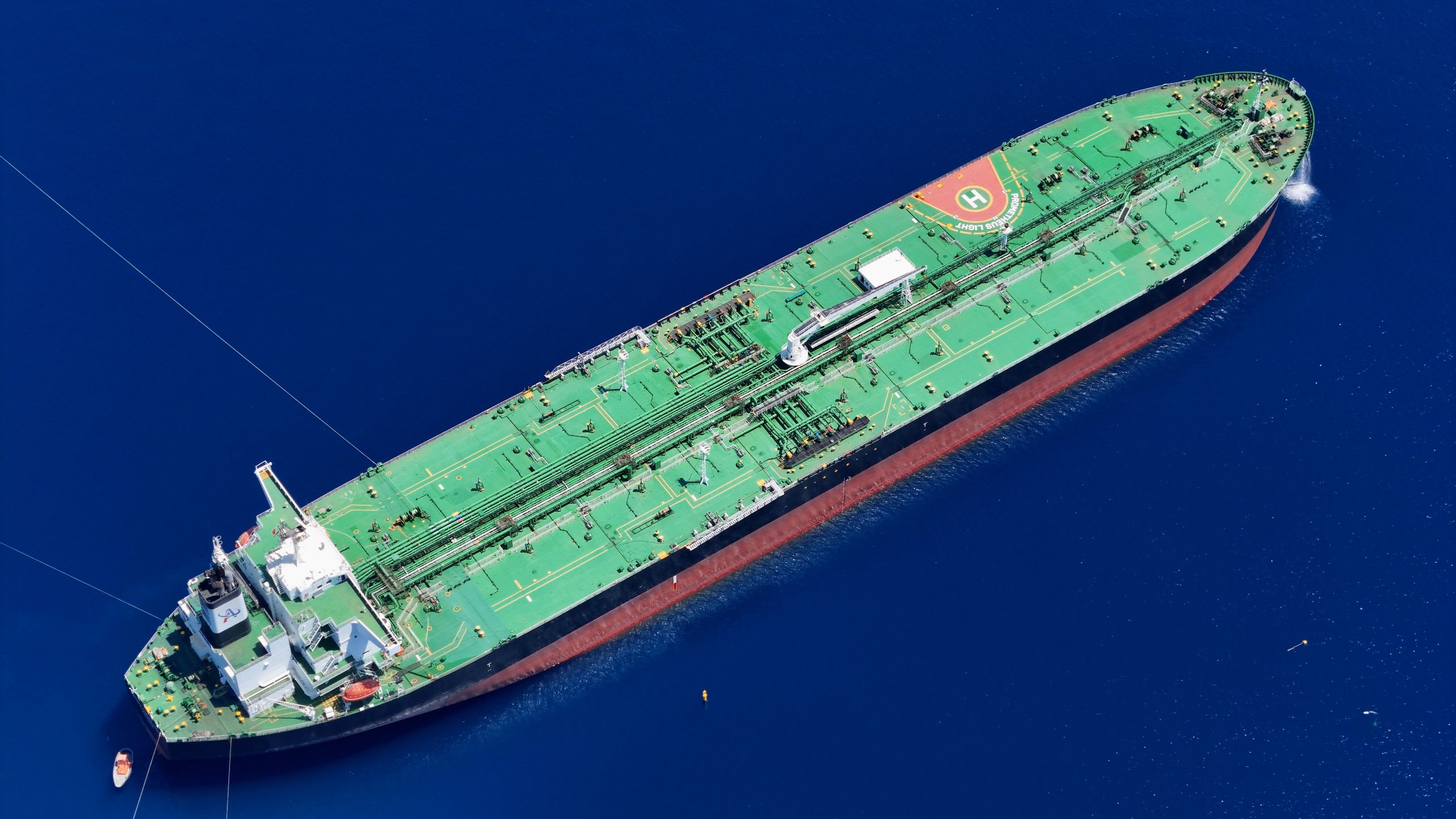

The International Energy Agency (IEA) projected on Friday that global oil demand will decline by 1 million barrels per day (b/d) in 2026, marking the first annual decrease since 2020. In its latest monthly oil market report, the agency attributed the forecast to production and export disruptions in the Middle East linked to regional conflict and its effect on maritime traffic through the Strait of Hormuz.
The 2026 forecast, if realized, would be the first year-on-year contraction in global oil demand since the initial phase of the COVID-19 pandemic. According to the IEA report, the expected decline is “highly skewed in both product and regional terms,” with the primary driver being interruptions to oil and gas shipments from the Persian Gulf.
The agency’s projection is based on the assumption of a ceasefire and a gradual reopening of the Strait of Hormuz, a key maritime passage for global energy supplies. The report noted that a recovery in the market balance is underway but depends on the normalization of shipping routes.
“While the global oil market balance looks set to swing back to surplus towards the end of the year, the forecast hinges on the assumption that tanker flows through the Strait will gradually recover,” the IEA stated in its report. This would allow “producers to restart fields and refiners in the Middle East and elsewhere to resume product shipments.”
The report also addressed the conditions affecting its forecast, referencing recent events in the region. Traffic through the strait has been significantly reduced following attacks on commercial vessels.
“Renewed exchanges of fire in the Gulf this week highlight the risks of not reaching a lasting peace agreement, which is a must for the normalization in oil markets,” the IEA wrote.
The Paris-based IEA is an intergovernmental organization that provides analysis and data on the global energy sector. Its monthly reports are monitored by energy markets and governments worldwide.

