
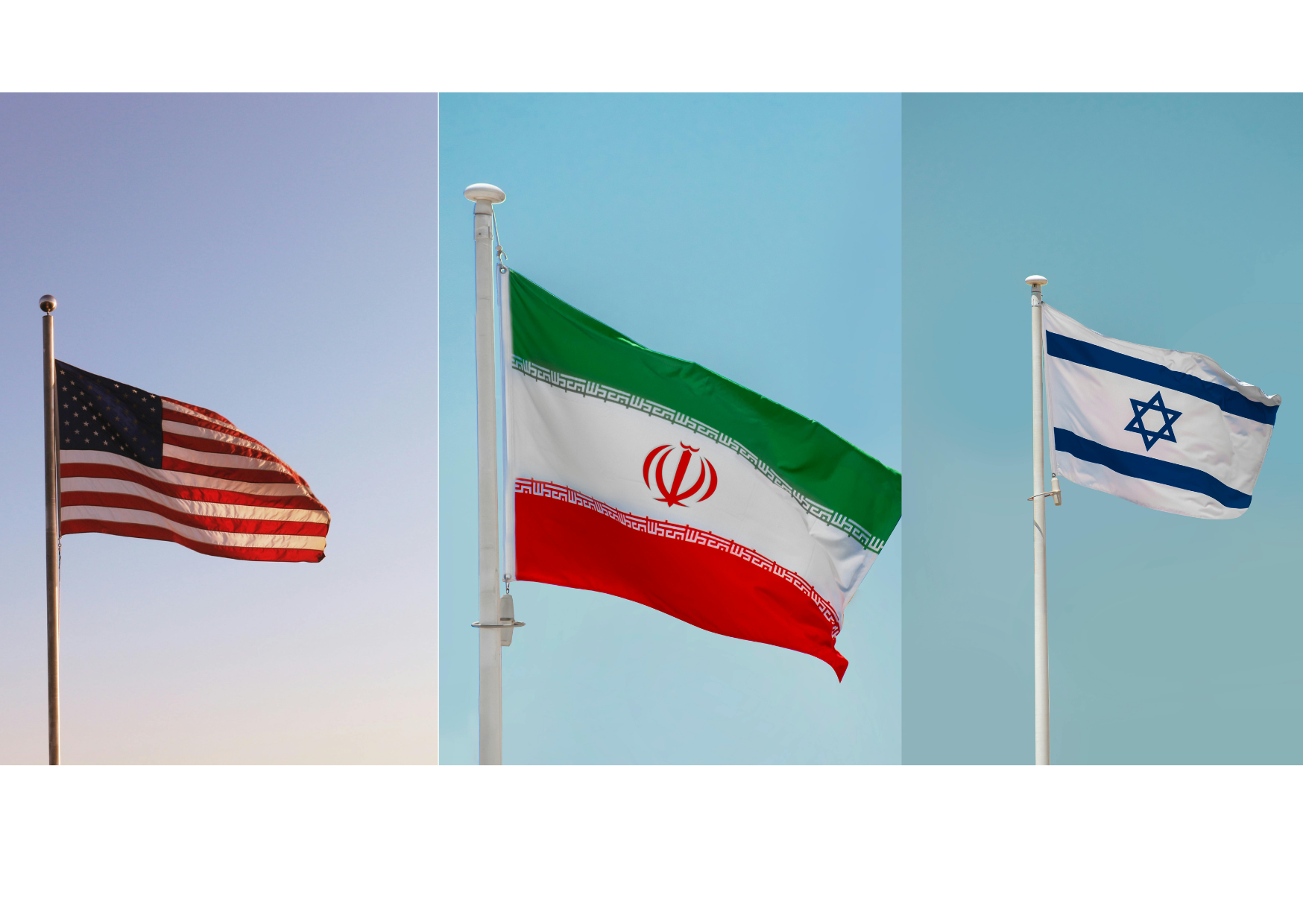

Iranian military officials stated this week that the country has increased its weapons production following a recent conflict and in response to new economic measures announced by the United States. The statements came after U.S. President Donald Trump announced what he described as the “most crushing economic operation” against Iran, intended to create “economic warfare and isolation on an unprecedented scale.”
Speaking on Saturday during Iran’s National Day of Defence Industry, Ali Abdollahi, chief of staff of Iran’s armed forces, referred to a “deterrent defensive industrial revolution” in domestic weapons manufacturing.
Ministry of Defence spokesman Reza Talaei-Nik told state media on Saturday that Iran had limited the public exhibition of new armaments. He stated the decision was made “in order to surprise the enemy and safeguard the country’s defensive information and secrets.”
Talaei-Nik said that in the 12 months following a 12-day conflict with Israel and the U.S. in June 2025, Iran’s weapons and defensive equipment production doubled. He further stated that since a war with the U.S. and Israel began on February 28, the manufacturing of certain “strategic and prioritised products” has more than tripled.
On Friday, Ahmad Vahdi, commander-in-chief of the Islamic Revolutionary Guard Corps (IRGC), spoke of neutralizing “the enemy’s plots today and in the future.” IRGC spokesman Hossein Mohebbi said on Thursday that new generations of warheads for ballistic and cruise missiles would be deployed, stating that production had not stopped.
These announcements followed a nearly 40-day period of military exchanges that concluded with a truce on April 8. After the hostilities, the White House released an assessment stating that over 85% of Iran’s defense-industrial base had been destroyed, including a majority of its ballistic missiles, mobile launchers, and long-range drones. The U.S. government also reported that more than 150 Iranian warships were destroyed and 97% of Iran’s naval-mine inventory was eliminated.
However, a U.S. intelligence assessment, reported by media outlets in May, indicated that Iran retained approximately 75% of its mobile launchers and 70% of its pre-war missile inventory.
Reports from the conflict noted that after additional U.S. strikes in July, the IRGC and the Iranian army continued to launch missiles and drones toward U.S. bases and shipping in the Strait of Hormuz, though at a reduced rate.
According to U.S. media reports, at least 45 American MQ-9 Reaper drones were lost during the conflict due to being shot down or from operational failures.
In the Strait of Hormuz, commercial shipping traffic has increased in recent weeks but remains below pre-war levels. Disruptions to maritime traffic have also been reported in the Red Sea and the Bab al-Mandeb strait.
Currently, Iran and the United States are not engaged in direct diplomatic talks.

