
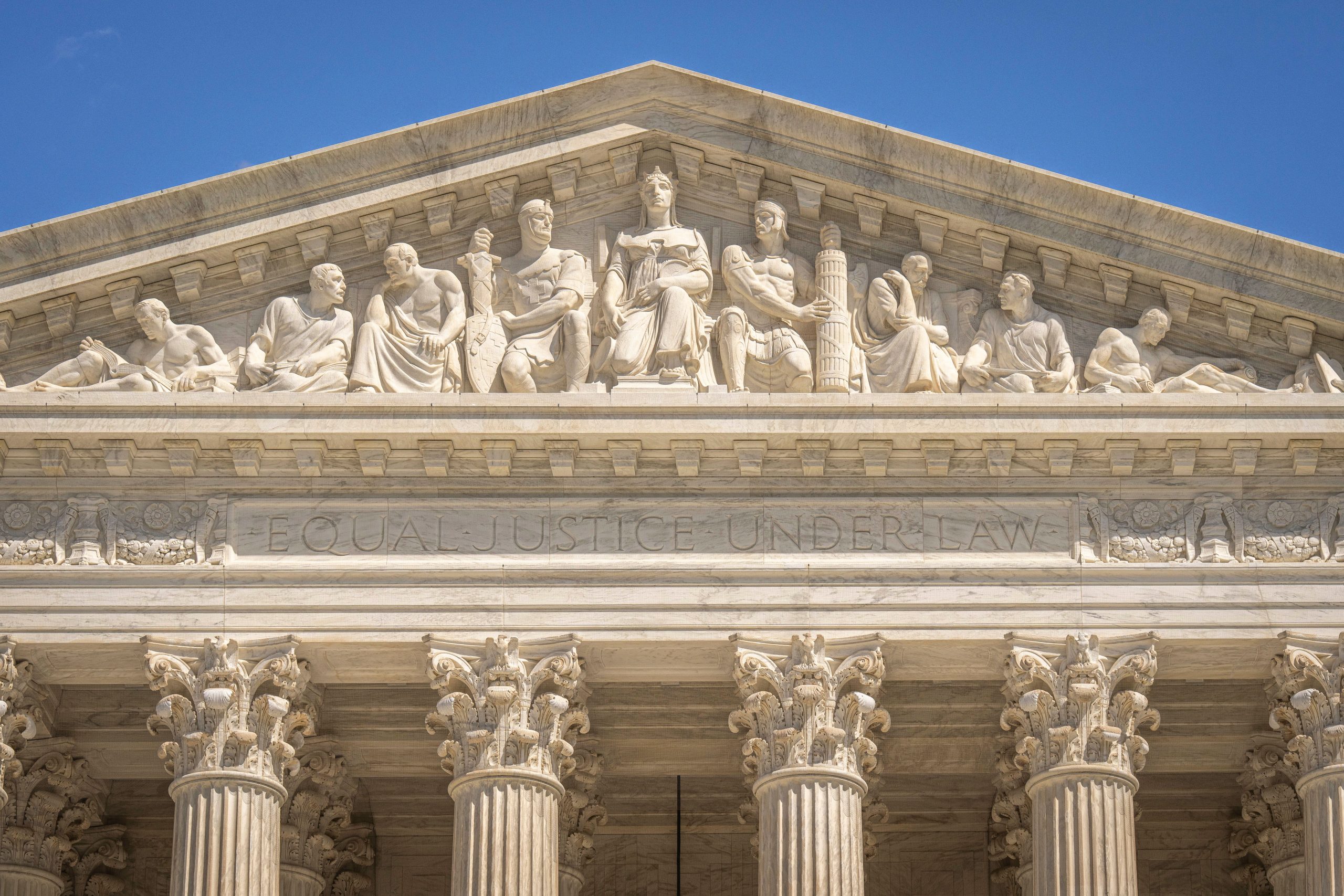

Supreme Court Justice Samuel Alito stated in recent interviews that he considered retiring after the court’s last term but decided to remain on the bench. His comments come ahead of the November midterm elections, which will determine control of the U.S. Senate, the body responsible for confirming Supreme Court nominees.
In an interview with CBS News, Alito, 76, confirmed he had “thought about” retiring. He said he ultimately chose to continue serving because he believed he could still make “a valuable contribution.” Alito is the second-oldest justice currently serving on the nine-member court.
The timing of potential Supreme Court vacancies has become a central issue in national politics. The party that controls the Senate holds significant influence over the confirmation process for judicial nominees.
In a separate interview with “Fox News Sunday,” Alito commented on public discussion about his potential retirement. “I’ve been bemused by the retirement speculation; it’s not too pleasant to look up and see the vultures circling,” he said. Alito added that he does not have a specific timeline for his service, stating, “I think it would be foolhardy to make a calculation [that] I’m going to serve for a certain number of additional years.”
Alito was nominated by President George W. Bush and has served on the Supreme Court since 2006. He is generally regarded as a member of the court’s conservative wing. Justice Clarence Thomas, 78, is the court’s oldest member.
Recent history has highlighted the political implications of Supreme Court vacancies. In 2016, following the death of Justice Antonin Scalia, the Republican-led Senate did not hold hearings for President Barack Obama’s nominee, Merrick Garland. The seat remained vacant until after the presidential election, and President Donald Trump later nominated Neil Gorsuch, who was confirmed in 2017.
In September 2020, after the death of Justice Ruth Bader Ginsburg, the Senate moved to confirm President Trump’s nominee, Amy Coney Barrett, just over a week before the presidential election.
The current Supreme Court has a 6-3 majority of justices appointed by Republican presidents. The upcoming midterm elections will decide the composition of the Senate, which currently has a Republican majority, potentially affecting the process for any future Supreme Court nominations.

