
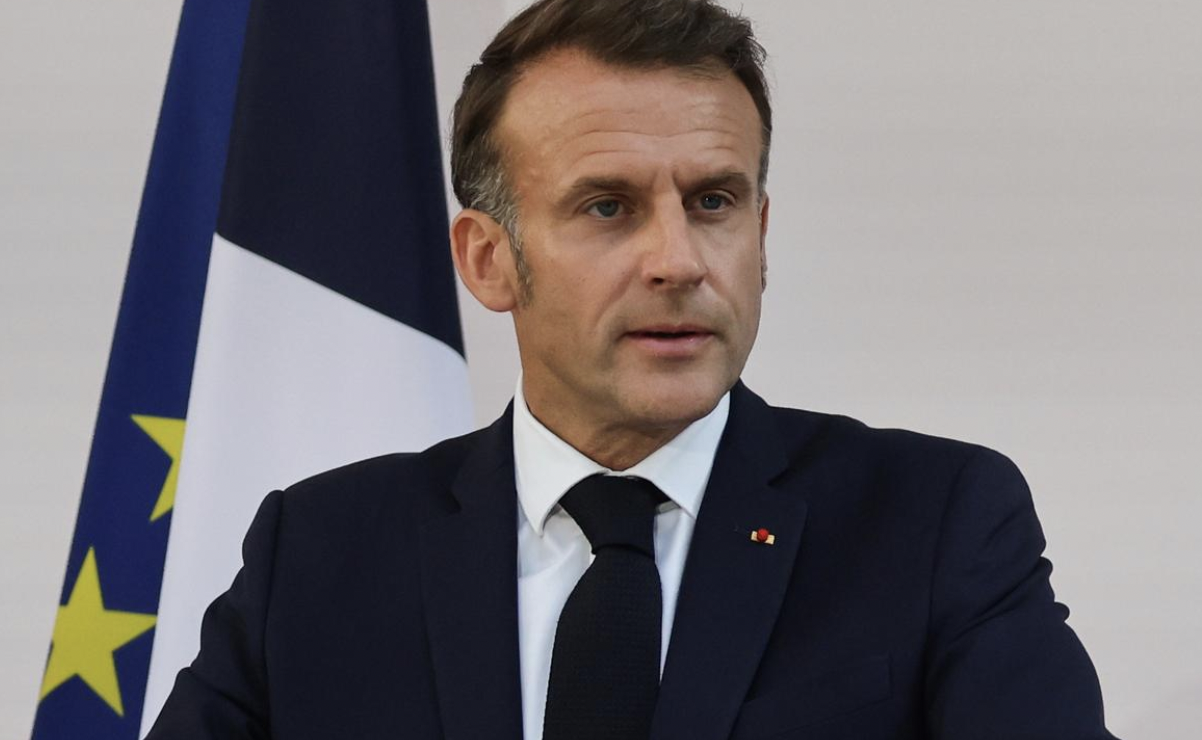

On the spot Berlin Emmanuel Macron admitted that France had suppressed and repressed Cameroon in its violent fight for independence during the 1950s and 1960s. He announced in Yaoundé that to hold onto power the French administration had suppressed the nationalists and had killed and maimed patriots who were with the revolution in the conflict between the pro-independence groups and French-Cameroonian forces.
The repressions targeted persons, mainly members and supporters of the Union of the Peoples of Cameroon (UPC), a political party that was organizing the fight for independence from the French authorities.
The leader of the UPC, Ruben Um Nyobè, was killed by the French security forces in 1958. According to the historians, the majority of deaths were caused by the French military operations that, along with quelling the uprising, had even destroyed some villages.
This is one of the statements the French government is making while, in the background, a systematic effort is being made to admit and understand the colonial history of Africa. It has also apologized for similar cases in Algeria and Rwanda.
Still, it was not a new way of the position being one of rewriting history but rather one that had always been the case that his government was collaborating with Cameroon’s authorities and their historians on an open historical inquiry and archive-based research about the incident.
The issue’s recognition is therefore a powerful sign from Cameroon, which freed itself from the colonial yoke in 1960. Whereas diplomatic relations between the two countries are as good as ever, the dark past of colonial violence is still lurking beneath the surface and continues to smolder.
That is why it is very likely that after this recognition, which was made by Macron without any official apology or proposal of reparations, fresh discussions about historical justice will be held.

