
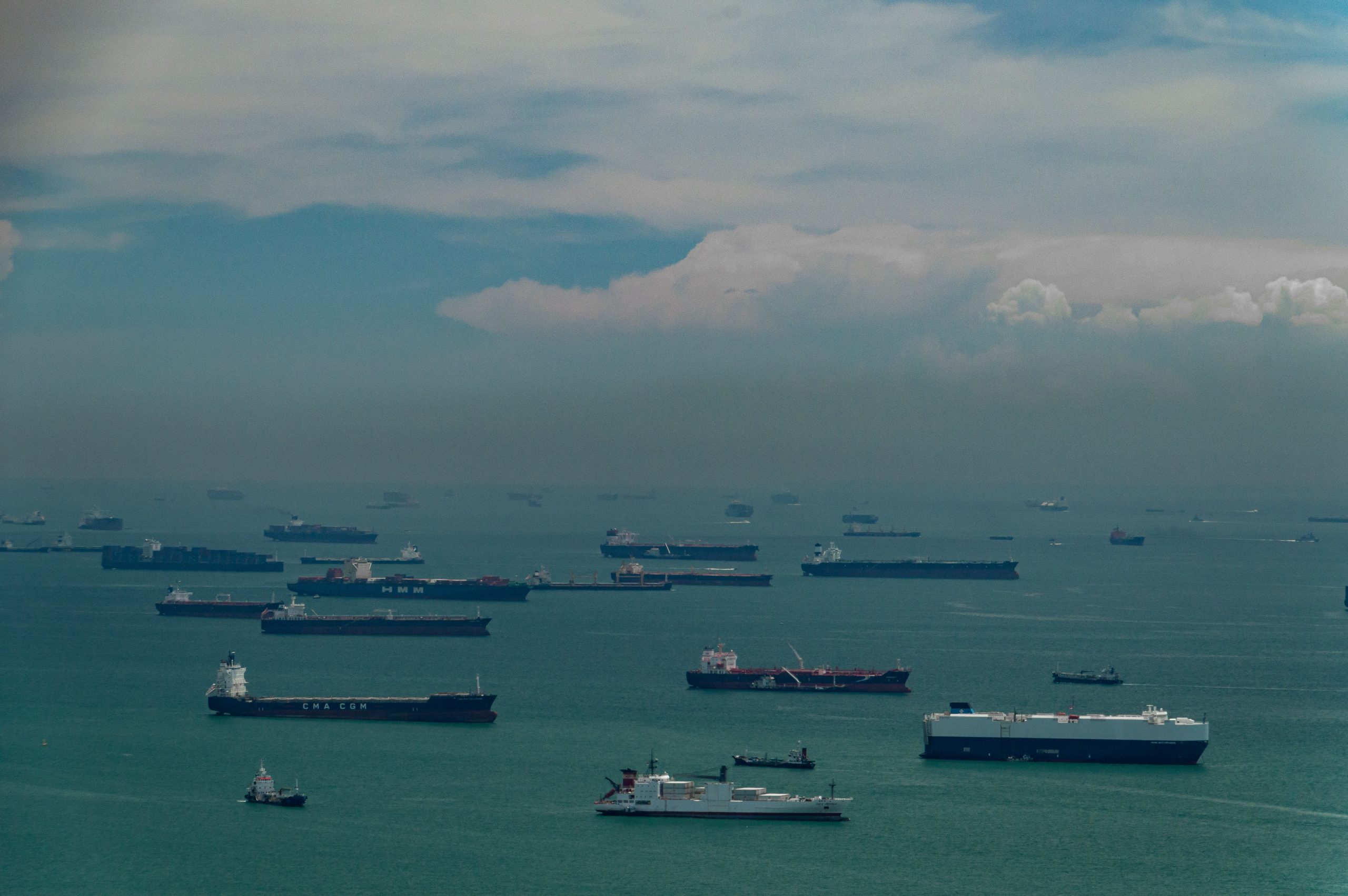

Crude oil exports from the Middle East surpassed levels recorded before the 2022 conflict in Ukraine on four separate days during the last week of September, according to maritime shipping data released on Monday. The increase in shipments occurred as tankers continued to navigate the Strait of Hormuz, a critical waterway that has seen a number of maritime security incidents this year.
Data from industry analytics firm Vortexa showed that daily seaborne crude exports from the region, which includes major producers like Saudi Arabia, the UAE, and Kuwait, averaged 18.1 million barrels per day (bpd) during the period. On four days between Sept. 24 and Sept. 30, exports exceeded 18.5 million bpd. This figure is above the average of 17.6 million bpd recorded in the month prior to the start of the conflict in Ukraine, a benchmark frequently used by energy market analysts.
The Strait of Hormuz, a narrow channel between Iran and Oman, is the world’s most important oil chokepoint. According to the U.S. Energy Information Administration (EIA), approximately 21 million bpd, or about 21% of global petroleum liquids consumption, passed through the strait in 2022. Due to its strategic importance, any disruption in the waterway can impact global energy markets.
The rise in export volumes comes at a time of continued alerts regarding vessel safety in the region. International maritime security groups, including the United Kingdom Maritime Trade Operations (UKMTO), have issued multiple advisories this year related to vessel seizures and drone activity in and around the Persian Gulf and the Gulf of Oman.
In response to these events, some tanker operators have reported increased insurance premiums for voyages transiting the strait. However, the latest shipping figures indicate that these concerns have not halted the flow of crude oil from the region’s key producers.
Energy analysts and government bodies continue to monitor the situation. The Organization of the Petroleum Exporting Countries (OPEC), of which several Gulf nations are leading members, has not issued a formal statement on the specific security situation but maintains its focus on market stability through production agreements. Global oil prices have remained volatile, with Brent crude, the international benchmark, trading in a range influenced by factors including OPEC+ production decisions, demand forecasts, and geopolitical developments.

