
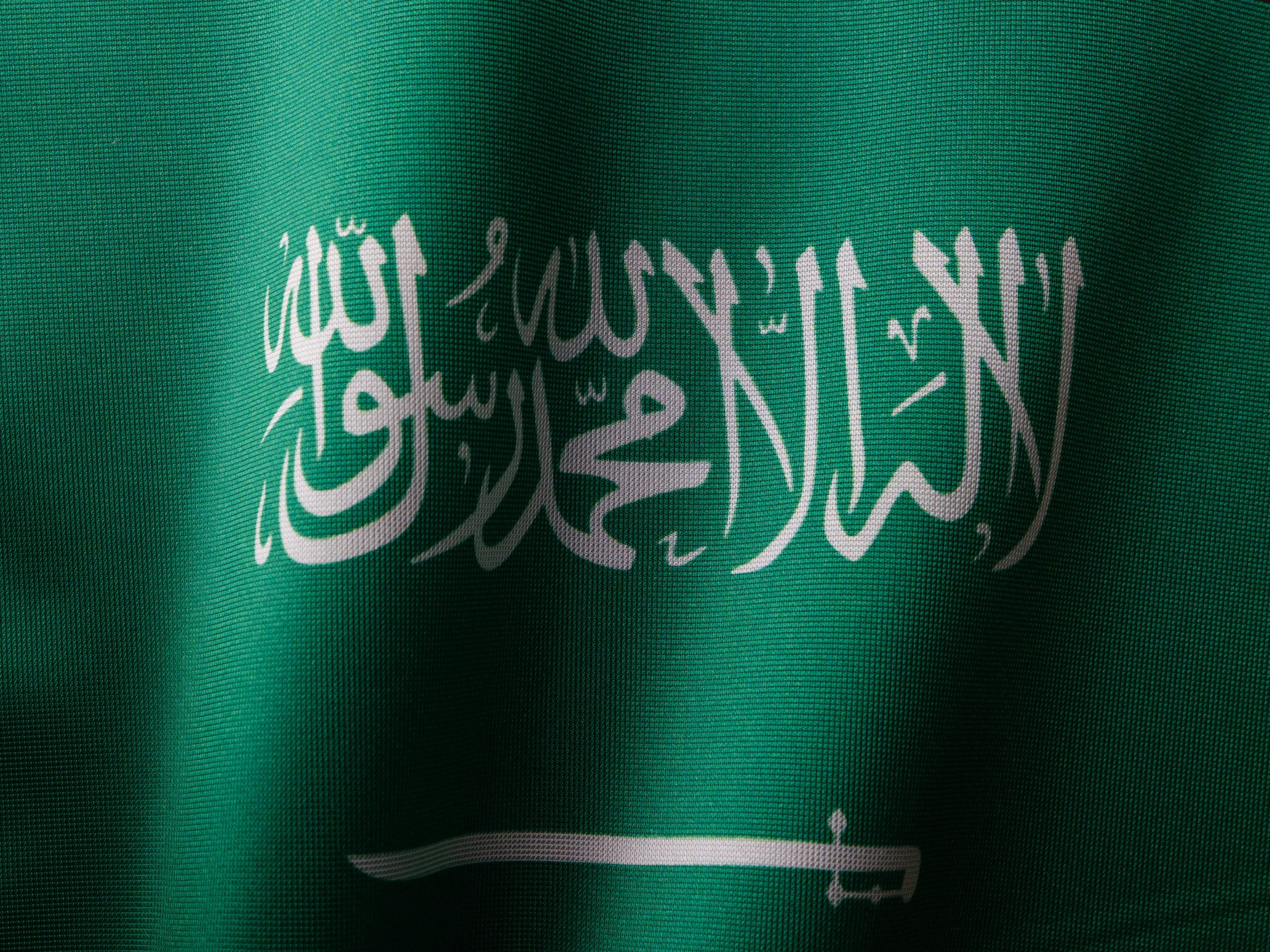

Several countries, including the United States and the United Kingdom, issued travel warnings for Saudi Arabia on Monday following drone and missile strikes on Riyadh claimed by Yemen’s Houthi group. Saudi officials reported the attacks, which targeted civilian infrastructure including King Khalid International Airport, resulted in more than a dozen fatalities and hundreds of injuries over the weekend.
On Monday, the governments of Australia and New Zealand advised their citizens against traveling to Saudi Arabia, joining similar advisories issued by the U.S., U.K., Canada, France, Germany, and Japan. The warnings came as Saudi Arabia’s aviation authority extended the suspension of operations at the Riyadh airport, which was the target of multiple projectiles.
According to statements from Saudi officials, an attack on Saturday resulted in 12 deaths and over 300 injuries. A subsequent strike on Sunday was reported to have killed one person and injured nearly a dozen others. The Houthi group, which is based in neighboring Yemen, claimed responsibility for the attacks.
The incidents occurred as Saudi Arabia hosts several major international events, including the World Petroleum Congress and the Future Investment Initiative, which draw business and political leaders from around the world.
In response to the events, U.S. President Donald Trump said on Sunday that the United States “may” join Saudi Arabia in any retaliatory actions.
Diplomatic communications were also reported in the region. Iran’s Foreign Minister, Abbas Araghchi, stated Sunday that he spoke by phone with his Saudi counterpart, Prince Faisal bin Farhan Al Saud. According to Araghchi, he communicated Tehran’s willingness to help facilitate dialogue between Saudi Arabia and Houthi representatives.
Separately, Iranian Foreign Ministry spokesperson Esmail Baghaei said Monday that Iran was reviewing a U.S. proposal concerning the Strait of Hormuz. He stated that a response would be delivered through intermediaries, as reported by Reuters.

