
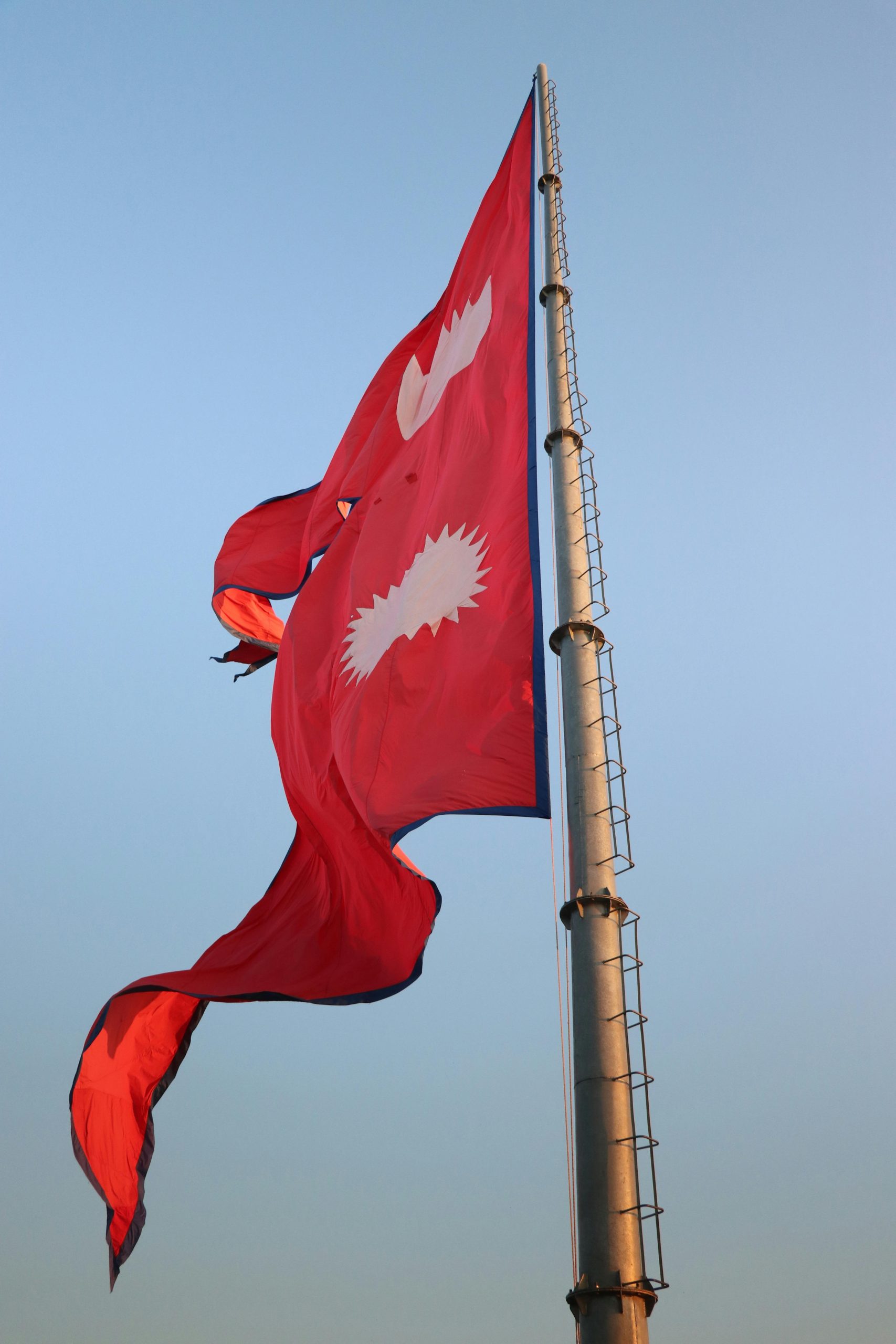

Voters in Nepal participated in an election on April 10, 2008, to select a 601-member Constituent Assembly tasked with drafting a new constitution. The election was a central component of the Comprehensive Peace Accord signed in 2006, which formally ended a decade-long civil war between Maoist insurgents and the state.
The primary mandate for the elected body was to write a new national charter and serve as an interim parliament. A key issue to be decided by the assembly was the future of Nepal’s 240-year-old monarchy.
According to the Election Commission of Nepal, the body responsible for administering the vote, more than 17.5 million citizens were registered to cast their ballots at approximately 20,000 polling stations nationwide. Thousands of candidates representing dozens of political parties contested for seats in the assembly. Major parties participating in the election included the Communist Party of Nepal (Maoist), the Nepali Congress party, and the Communist Party of Nepal (Unified Marxist-Leninist).
The electoral system combined direct and proportional representation. Of the 601 seats, 240 were decided through first-past-the-post contests in single-member constituencies. Another 335 seats were allocated based on a party-list proportional representation system, and the remaining 26 members were to be appointed by the new cabinet.
The process was monitored by national and international observers, including the United Nations Mission in Nepal (UNMIN), The Carter Center, and the European Union. These groups were present to observe the conduct of the polling and the subsequent vote-counting process. In a preliminary statement following the election, The Carter Center noted that the election was “conducted in a generally orderly and positive manner.”
Following the vote, the Election Commission reported a voter turnout of approximately 63%. The official results showed the Communist Party of Nepal (Maoist) winning the largest number of seats, securing over 30% of the total, but falling short of an outright majority.
On May 28, 2008, at its first session, the newly formed Constituent Assembly voted to abolish the monarchy and establish Nepal as a federal democratic republic, officially ending the reign of the Shah dynasty.

