
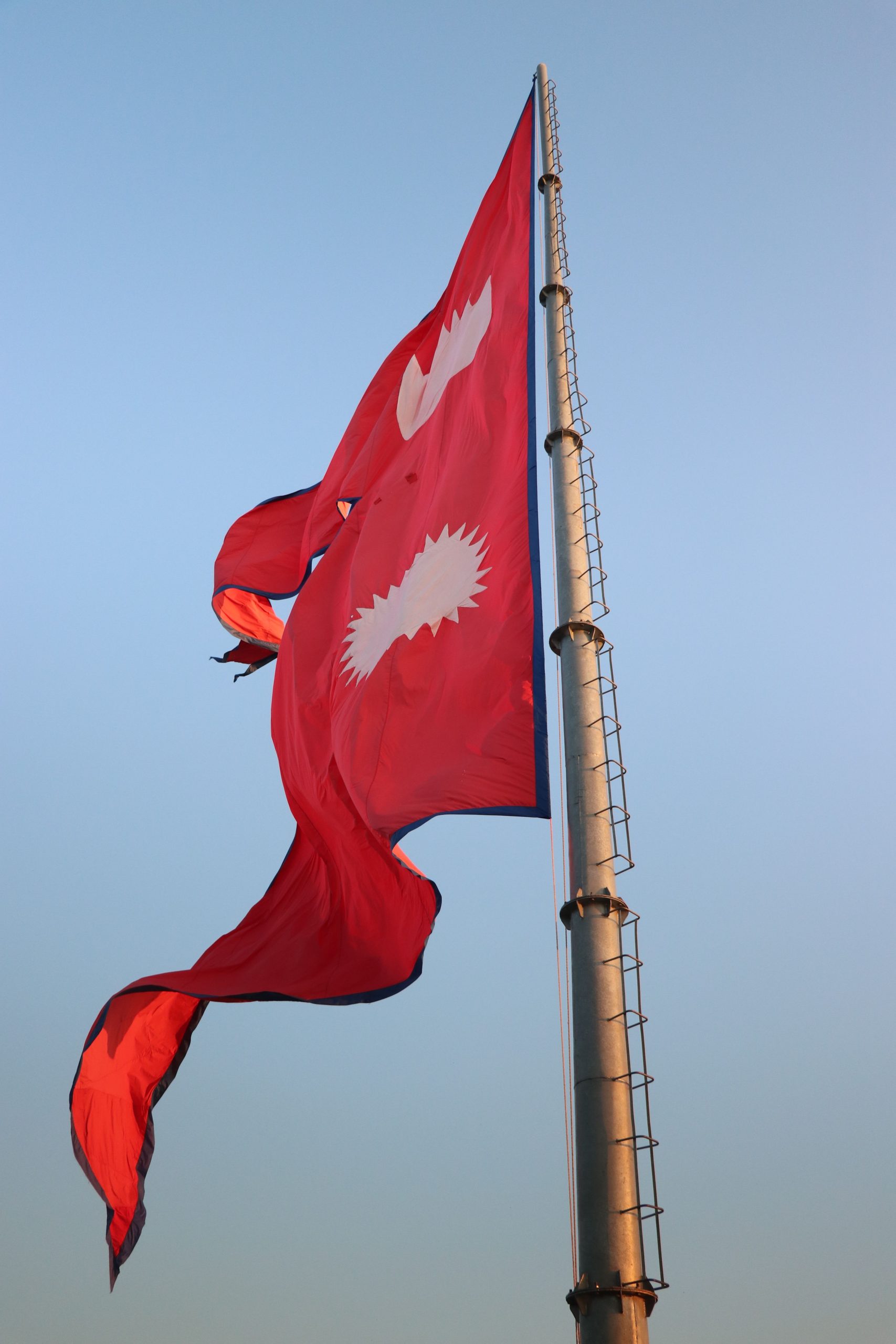

The Government of Nepal announced its decision to decline offers of foreign search and rescue teams following a magnitude 5.6 earthquake that struck the country’s western region on Nov. 3. Officials stated that domestic security agencies were sufficient to manage the operation and directed that all international financial assistance be channeled through the Prime Minister’s Disaster Relief Fund.
The earthquake, with its epicenter in Jajarkot district, occurred late Friday night, according to Nepal’s National Earthquake Monitoring and Research Center. The U.S. Geological Survey also recorded the event. The tremors were felt in the surrounding Karnali province and as far as New Delhi, India.
In the immediate aftermath, government officials reported that the earthquake resulted in more than 150 fatalities and left hundreds injured in the Jajarkot and West Rukum districts. The remote, hilly terrain of the affected region presented challenges for initial rescue and relief efforts.
In a formal communication issued through its diplomatic missions, Nepal’s Ministry of Foreign Affairs clarified the government’s position on international aid. While declining personnel-based assistance, the ministry stated it would welcome material and financial support.
Narayan Prasad Bhattarai, a spokesperson for Nepal’s Home Ministry, confirmed the government’s stance. He stated that the country’s security forces, including the Nepal Army, Armed Police Force, and Nepal Police, were fully mobilized and had the capacity to handle the search, rescue, and relief operations.
The government directed that any monetary contributions from foreign nations or organizations should be deposited into the Prime Minister’s Disaster Relief Fund to ensure coordinated and transparent distribution of resources. The decision reflects a policy of centralizing aid management.
Neighboring countries, including India and China, extended offers of assistance. India dispatched an aircraft carrying medical supplies, relief materials, and emergency equipment, which was accepted by Nepali authorities. China also publicly offered to provide necessary aid.
This approach to managing foreign aid is consistent with protocols established by Nepal following the more powerful Gorkha earthquake in 2015. After that event, which prompted a massive international response, the government implemented stricter guidelines to better coordinate the inflow of foreign assistance and personnel. The current policy prioritizes the use of national resources for on-the-ground operations while accepting material and financial support through official channels.

