

In 2020, the World Health Organization announced that Nigeria has eradicated wild poliovirus; however, the country is still challenged by the vaccine-derived circulating poliovirus strain that frequently infects new communities.
This strain is initiated from already weakened vaccine viruses that change to the original form and start to infect new areas where the number of vaccinated people is low.
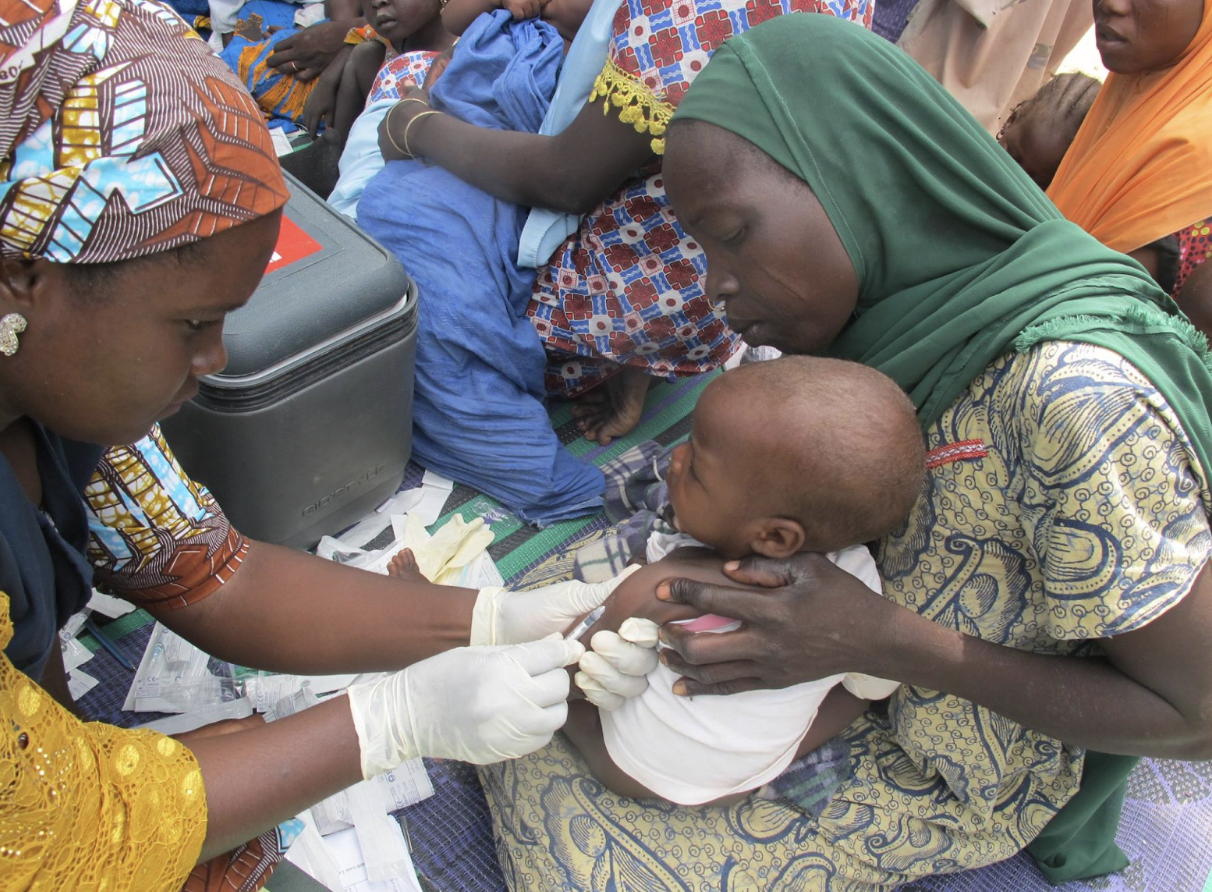
The female health workers like 29-year-old Eucharia Joseph are an essential part of the vaccination campaign. Carrying vaccines in cooler boxes, they go through neighborhoods and vaccinate hundreds of children every day. In many cases, these women have-lost cultural, religious, and security reasons exclusive access to households.
In communities with a high level of conservatism, male health workers are prohibited from talking with women and children. In the area of Borno State that is presently facing conflict, the men are under suspicion, and they may be wrongly identified as government agents or secret service.
Vaccination refusal continues to be an obstacle, with misinformation that vaccines cause infertility or are part of foreign conspiracies. Those who oppose the use of arms, like the group of Boko Haram, not only strike vaccinators, but also spread conspiracy theories about them. Sometimes religious practices are being twisted to get people to refuse vaccinations.
The female vaccinators through patience and perseverance fight the falsehoods by going back again for more visits and talks. They develop faith with mothers and explain vaccine benefits to them. The majority of them also manage to top up the low salary they get from the government, which is $8 per campaign, by running side businesses.
The vaccination initiative led to some unforeseen economic chances for women. A lot of them have become entrepreneurs, establishing small businesses with the trust they have earned through their health work in the community.
This has contributed to women’s leadership and financial independence.
Polo infrastructure in Nigeria has now expanded to support general healthcare, which includes routine immunizations, maternal health, and emergency responses. The experience is a case where women-led community health programs can survive in harsh environments and with constant security threats.

