
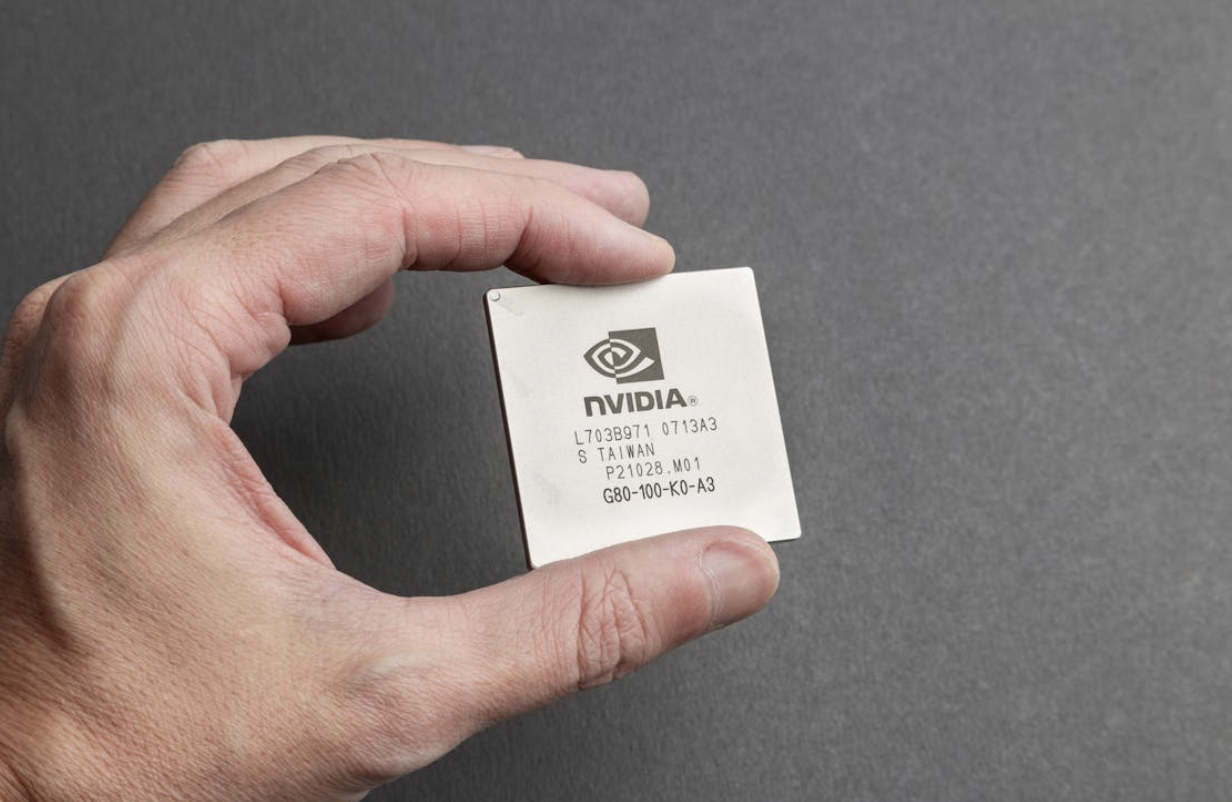

NVIDIA Corp. is scheduled to release its fiscal fourth-quarter earnings report on Wednesday, a release that follows announcements of significant capital expenditure increases on artificial intelligence by several of the world’s largest technology companies. The report is being closely monitored by investors and analysts due to Nvidia’s position as a primary supplier of advanced chips used in AI infrastructure.
According to financial data, Nvidia’s stock has registered a 2.7% gain year-to-date as of Monday’s close. In the same period, the Nasdaq Composite index has declined by over 2.5%, and other major technology companies, including Microsoft, Amazon, and Tesla, have reported double-digit percentage drops in their stock values.
Nvidia’s upcoming financial disclosure follows recent earnings reports from its largest customers, including Alphabet, Microsoft, Meta, and Amazon. These companies have collectively forecast capital expenditures approaching $700 billion for the current year, according to company statements and analyst estimates. This represents a projected increase of more than 60% from their 2025 spending levels, with a substantial portion directed toward AI systems and data centers.
Analysts at Wedbush Securities commented on this trend in a note issued Monday, stating, “Hyperscale capex forecasts for CY2026 have exceeded prior expectations.” The firm noted that servers and AI infrastructure constitute the majority of planned spending.
Analysts polled by LSEG expect Nvidia to report a 68% year-over-year revenue increase to $66 billion for the fiscal fourth quarter. For the subsequent quarter ending in April, the consensus forecast is for revenue of $72 billion, a 63% rise from the prior year.
The company’s data center business, which includes the graphics processing units (GPUs) used to develop and operate large language models, accounts for approximately 90% of its total revenue.
In advance of the report, analysts have highlighted several key areas of interest. A report from Cantor Fitzgerald last week noted the dynamic between high demand and investor caution. “The story is so unbelievably simple, yet at the same time quite complex today,” the analysts wrote, adding that despite “insatiable” demand for computing power, “investor concerns remain, headlined by fears of peaking hyperscale” capital expenditures this year.
Investors are also expected to seek updates on Nvidia’s acquisition of chip startup Groq, a deal completed in late December for approximately $20 billion. Groq specializes in inference technology, which involves using AI models to make decisions based on new data, complementing Nvidia’s strength in the AI training market. In their note, Wedbush analysts stated they are looking for “any hints or specifics around products we should expect” from the integration and how it will “augment NVDA’s accelerator business.”
Further focus will be on the company’s product roadmap, including the upcoming release of its next-generation Vera Rubin systems. In October, Nvidia CEO Jensen Huang reported that 6 million of the company’s current-generation Blackwell GPUs had been shipped in the preceding four quarters. He also stated that Nvidia anticipates $500 billion in GPU sales between the Blackwell and forthcoming Rubin product lines. Commentary on the timeline and demand for the new systems will be a central point of the earnings call.

