
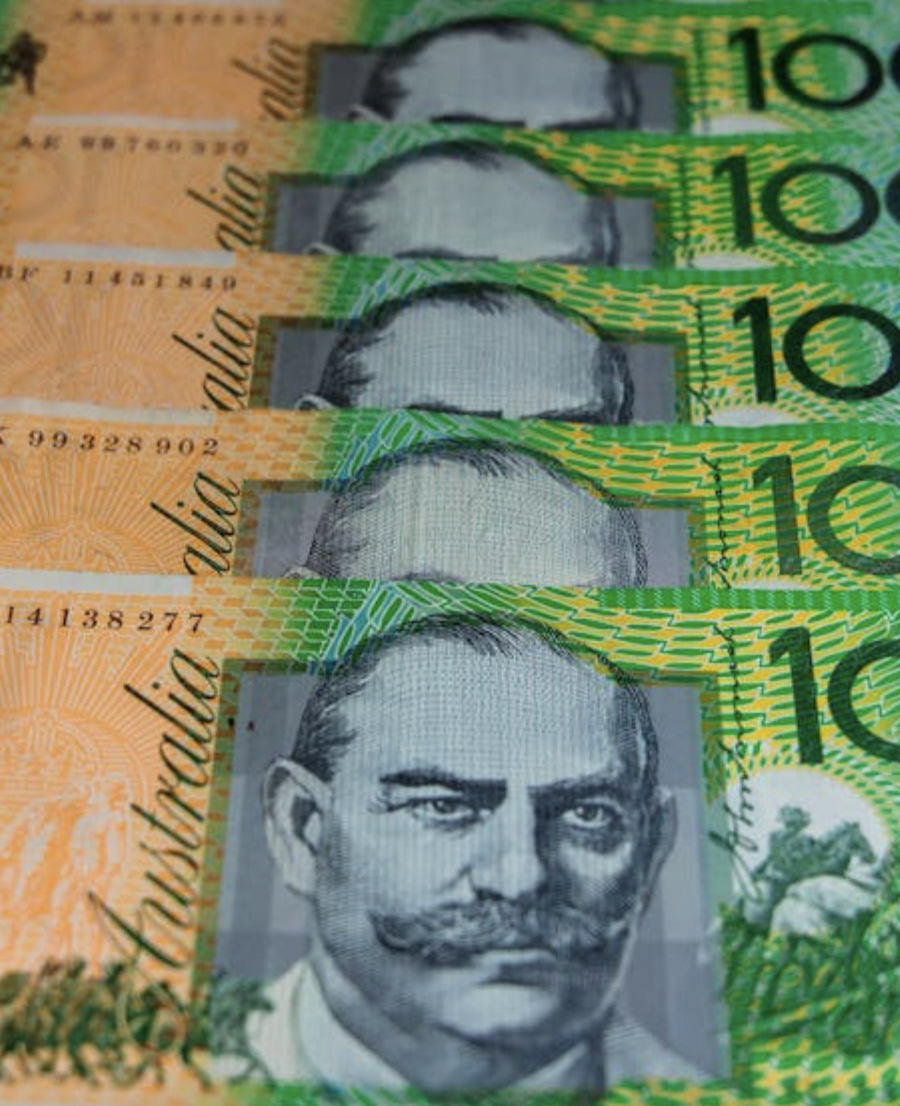

After several years, Australia’s central bank will finally cut interest rates to stimulate the economy and ease the pressure on households and businesses. When the Reserve Bank of Australia (RBA) meets on August 12, it is anticipated that it will lower the cash rate from 3.85% to 3.60%, thus achieving a 25 basis point cut.
The slowdown in the economy has become very apparent, and this is the reason for the expected reduction. Inflation is not the only problem anymore; in fact, it has continued to ease. The headline consumer price index has dropped to 2.1%, which is well within the RBA’s target range of 2-3%, while the trimmed mean, a significant measure of core inflation, has gone down to 2.7%. Simultaneously, the unemployment rate has gone up to 4.3%—the highest it has been in over three years—indicating that there is softening demand for labor and that consumer spending may slow down.
The financial markets have already taken the RBA into account, with traders betting on the continuation of rate cuts in the following months. Present forecasts allow the cash rate to be brought down to 3.35% by December and even to fall to about 3.10% in early 2026 if the economic situation keeps deteriorating. The RBA’s decision to change its stance is a reflection of the anxieties that, although tight monetary policy has been successful in reining in inflation, it has also had the effect of sharply slowing household consumption and investment.
In the case of homeowners, this decision will provide relief that is surely anticipated after the years of increased borrowing costs. The rise in mortgage repayments has been significant in the past few years, putting a lot of pressure on the part of disposable income for leisure and other activities. Part of the money released is to be used for paying off your retail sector installment and spending on it, as we expect the retail sector to continue with the growth, as some of the pressure is removed.
Companies, too, are looking forward to it. The lower cash rate will allow businesses to reduce their costs of financing, thus the plans of expansion will become more active and also it will be the time when they can regain their confidence in the sectors like construction, manufacturing, and services as these have been a long time during which they struggled with the issue of demand being less and the rising operational expenses.
On the other hand, it will be necessary for the RBA to carefully consider its decision and balance it well. If rate cuts are made too rapidly, inflation could be on the rise again, especially in the case where supply-side constraints reappear or consumer demand is stronger than expected. However, holding the rates high for a longer period may result in further deepening of the economic slowdown, with recession as one of the potential outcomes.
The decision taken in August will most likely influence what will happen in the future until the end of the year. Should the economy remain weak and prices be well-controlled, the central bank is probably going to continue easing the policy into 2026. On the other hand, in case of an unexpected surge, the RBA could either decelerate or hold its rate-cutting cycle entirely.
The decision signifies the shift of the pendulum in Australia’s economic policy shadow. Immediately after concentrating on keeping inflation in check, the RBA now looks inclined to revive the economy by implementing measures that would safeguard jobs, extend business support and customer confidence, and all this, coupled with a tough global and home-market situation.

