
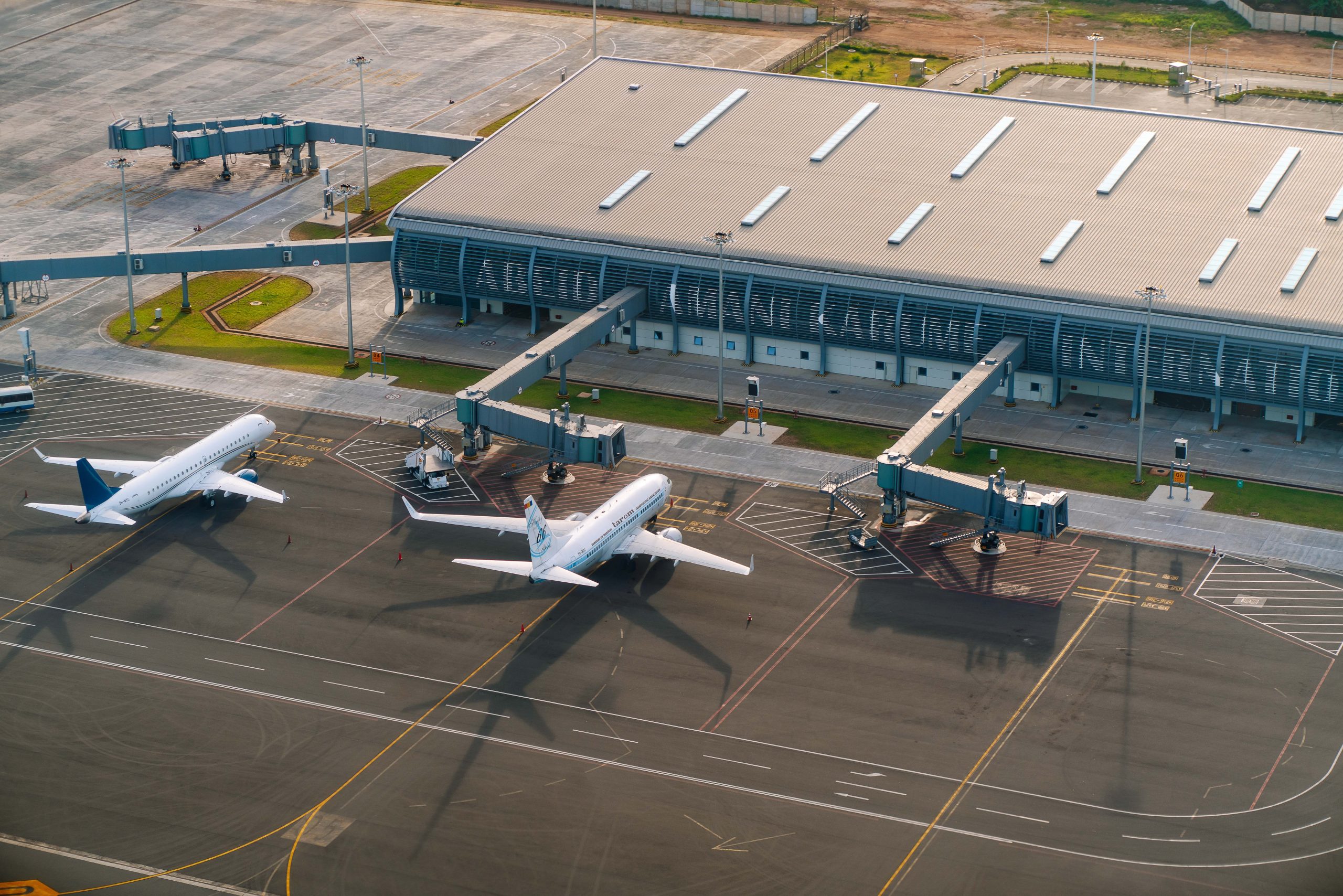

Recent attacks on King Khalid International Airport in Riyadh have resulted in flight suspensions and operational changes by several international airlines. Saudi officials reported that attacks over the weekend killed at least 13 people and injured more than 300, prompting new warnings about aviation safety in the region. Yemen’s Houthi group has claimed responsibility for the attacks.
The incidents at Saudi Arabia’s second-busiest airport led to its temporary shutdown. In response to the events, the U.S. Federal Aviation Administration (FAA) issued a notice on Sunday, advising American air carriers of potential risks associated with flying in or over Saudi Arabia.
Following the FAA’s warning, Delta Air Lines announced on Monday it would postpone the launch of its new nonstop route between Atlanta and Riyadh. The route, which was to be the first nonstop commercial flight between the two cities operated by a U.S. airline, will now be delayed until at least March, according to the carrier.
The attacks have drawn comment from aviation safety experts regarding security protocols at international airports.
“Civil aviation is being directly targeted and it has not been the case in the last couple of decades,” said Mark Zee, founder of OpsGroup, an independent aviation safety organization.
Jeff Price, a professor at Metropolitan State University of Denver’s Department of Aviation and Aerospace Science, noted that airport security has traditionally focused on ground-level threats. “Historically, airport security is focused on preventing unauthorized access to aircraft and the airport, not defending airspace,” Price said.
The disruptions in Riyadh reflect wider challenges for air travel across the Middle East. Ongoing regional conflicts have led to the closure or avoidance of large sections of airspace, particularly over Iran. Airlines have been forced to reroute flights, often resulting in longer travel times and increased fuel costs.
Australian airline Qantas, for example, has altered its Perth-to-London route to bypass Iranian airspace, adding a refueling stop in Singapore to accommodate the longer flight path. These rerouting practices have been in place for several years in other regions as well, with Western carriers avoiding Russian airspace since 2022.
Data from aviation analytics firms illustrate the impact on regional air traffic. Flight-data firm OAG reported that airline capacity in the Middle East, measured by available seats, was down 5.7% in October compared to the previous year. Data from Cirium showed that while scheduled seat growth in Saudi Arabia was up over 23% this year compared to 2023, the rate of increase had recently slowed.
Some airlines have publicly stated their decision to avoid the region for the time being. Finnair CEO Turkka Kuusisto told reporters last month, “We will not fly to Dubai and Doha, and we need to wait until the situation gets settled.”
The postponement of the new Delta route comes as Saudi Arabia is promoting its Vision 2030 plan, an economic initiative designed to diversify the country’s economy away from oil and increase tourism and foreign investment.

