
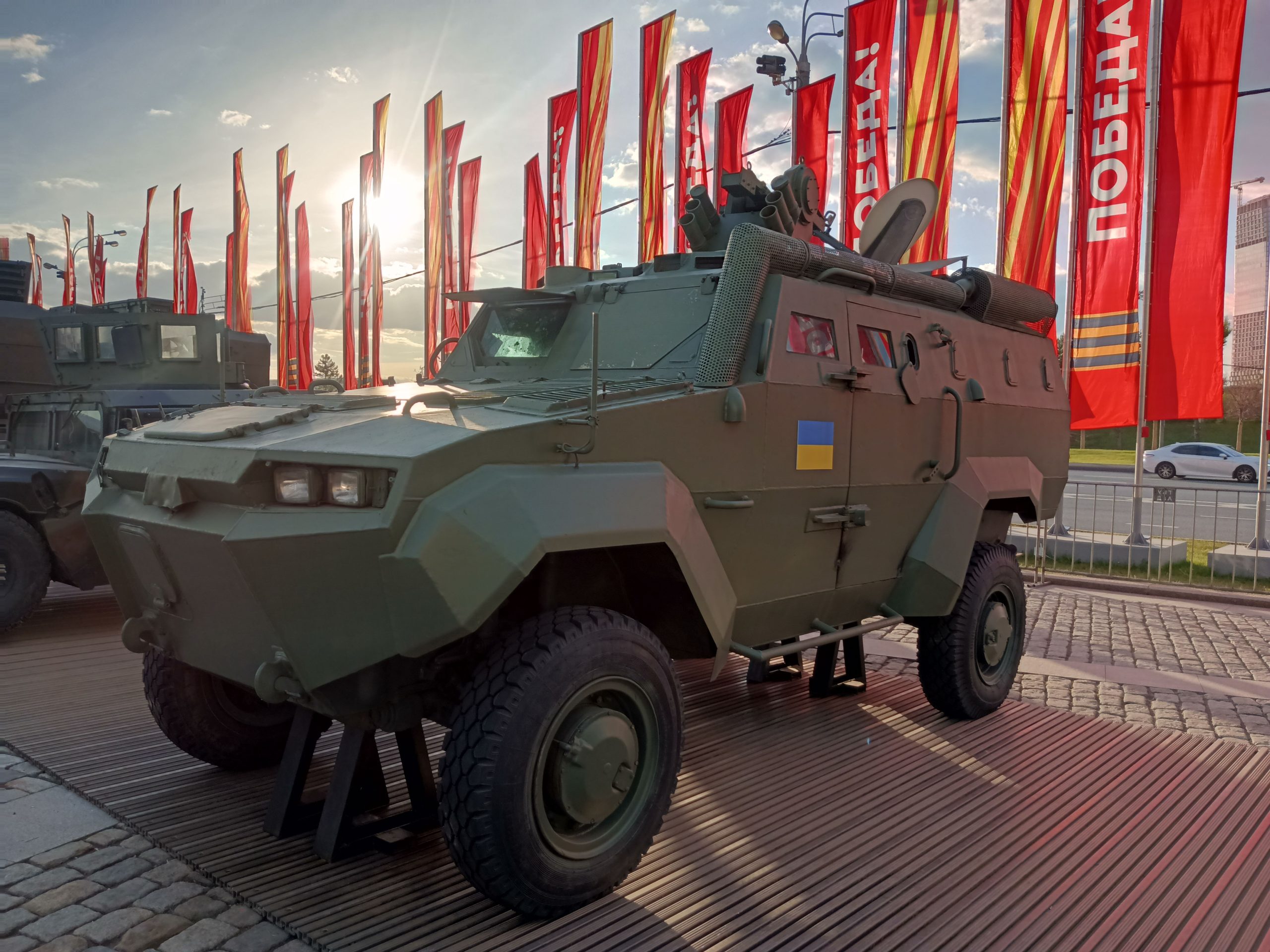

In late 2021 and early 2022, the Russian Federation positioned a significant number of troops and military equipment near its border with Ukraine and within Belarus, prompting responses from the United States, NATO, and European governments. U.S. and European officials warned of severe economic consequences should Russia invade Ukrainian territory, while Russian officials stated the deployments were for defensive exercises and issued security demands to the West.
According to statements from the U.S. Department of Defense and European intelligence agencies, the military presence grew to an estimated 100,000 to 130,000 personnel. Satellite imagery released by commercial companies, including Maxar Technologies, showed concentrations of armor, artillery, and support equipment at various locations in Russia and Belarus, near Ukraine’s northern and eastern borders.
In a series of public addresses and press briefings, U.S. President Joe Biden stated that the administration believed Russia was preparing for a potential large-scale military incursion. Secretary of State Antony Blinken and NATO Secretary General Jens Stoltenberg echoed these concerns. Both U.S. and NATO officials said any further Russian military action against Ukraine would result in “massive consequences” and “severe costs,” including extensive coordinated sanctions against Russian financial institutions and key industries.
The Russian government characterized the U.S. and NATO statements as inflammatory. Officials from the Kremlin and the Russian Ministry of Defence repeatedly said that Russia had no intention of invading Ukraine. They asserted Russia’s sovereign right to move military forces within its own territory for training purposes. The exercises in Belarus, a Russian ally, were officially described by both countries’ defense ministries as joint drills named “Allied Resolve 2022,” intended to practice defense of the Union State.
In December 2021, Russia presented the United States and NATO with two draft treaties outlining its security demands. According to documents published by Russia’s Foreign Ministry, the proposals included a legally binding guarantee that NATO would halt its eastward expansion, specifically denying future membership to Ukraine and other former Soviet states. The demands also called for a rollback of NATO military deployments in Eastern Europe to 1997 positions.
Ukrainian officials, including President Volodymyr Zelenskyy, acknowledged the military presence at their borders but urged their citizens and international partners to avoid panic. The Ukrainian government called for a diplomatic solution while also accepting military and financial aid from Western nations, including the United States, the United Kingdom, and Baltic states.
Several rounds of diplomatic talks were held to address the situation. Meetings took place between U.S. and Russian officials in Geneva, at the NATO-Russia Council in Brussels, and within the Organization for Security and Co-operation in Europe (OSCE) in Vienna. The United States and NATO formally responded to Russia’s security demands in writing, rejecting the proposal to bar new members from joining the alliance but offering discussions on other topics, such as arms control and military transparency. The talks concluded without a public breakthrough on the core issues.

