
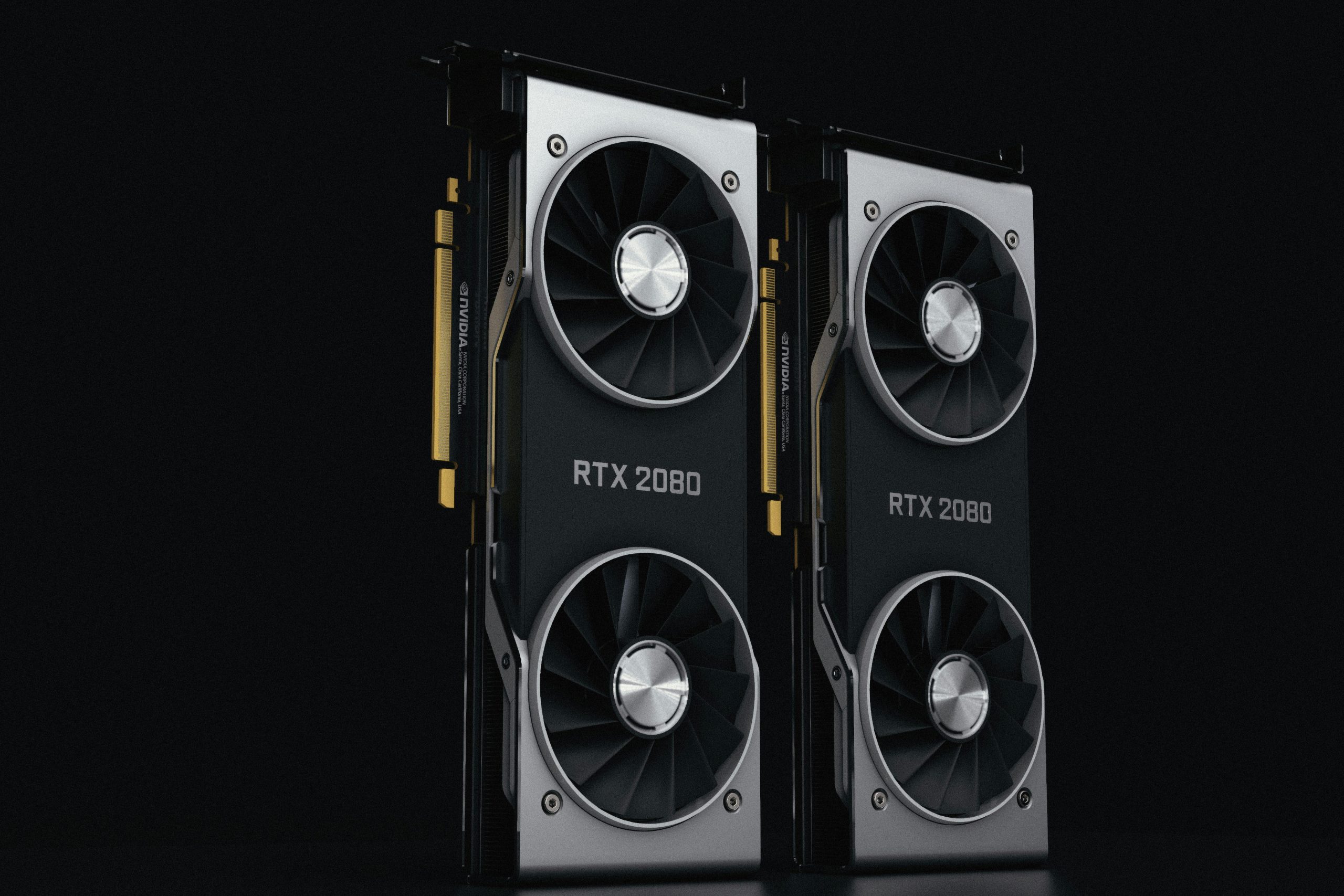

Samsung Electronics announced on Thursday a plan to acquire 50,000 graphics processing units (GPUs) from Nvidia for a new facility designed to automate its semiconductor manufacturing processes using artificial intelligence. The company stated the technology will be used to improve chip production for applications such as mobile devices and robotics.
In its announcement, Samsung referred to the planned facility as an “AI Megafactory.” The company did not provide a timeline for the facility’s construction or deployment.
As part of the collaboration, representatives from Nvidia said they will work with Samsung to adapt the Korean company’s chipmaking lithography platform for use with Nvidia’s GPUs. Nvidia representatives stated this integration is projected to yield a 20-fold performance improvement for Samsung’s processes. Samsung also confirmed it will utilize Nvidia’s simulation software, Omniverse, and will use the new GPUs to run its own AI models for its devices.
The announcement follows a series of partnership disclosures from Nvidia. On Tuesday in Washington, D.C., Nvidia CEO Jensen Huang announced collaborations with companies including Palantir, Eli Lilly, CrowdStrike, and Uber. Following this event, local media in South Korea reported that Huang was seen meeting with Samsung Chairman Lee Jae-yong and other business leaders.
The Samsung partnership is part of a broader expansion of AI infrastructure in the region. According to Nvidia, other major South Korean companies, including SK Group and Hyundai, are also deploying large numbers of its GPUs.
“We’re working closely with the Korean government to support its ambitious leadership plans in AI,” said Raymond Teh, Nvidia’s senior vice president of Asia-Pacific, in a call with reporters on Wednesday.
In addition to being a customer, Samsung is a key supplier for Nvidia, producing the high-bandwidth memory (HBM) used alongside Nvidia’s AI processors. The companies stated they will also work together to adapt Samsung’s fourth-generation HBM for use in AI chip applications.
During his address on Tuesday, Huang also provided a business forecast related to Nvidia’s current generation GPU, called Blackwell, and its next-generation architecture, called Rubin. Following the forecast, Nvidia’s stock value increased, with its market capitalization exceeding $5 trillion.

