
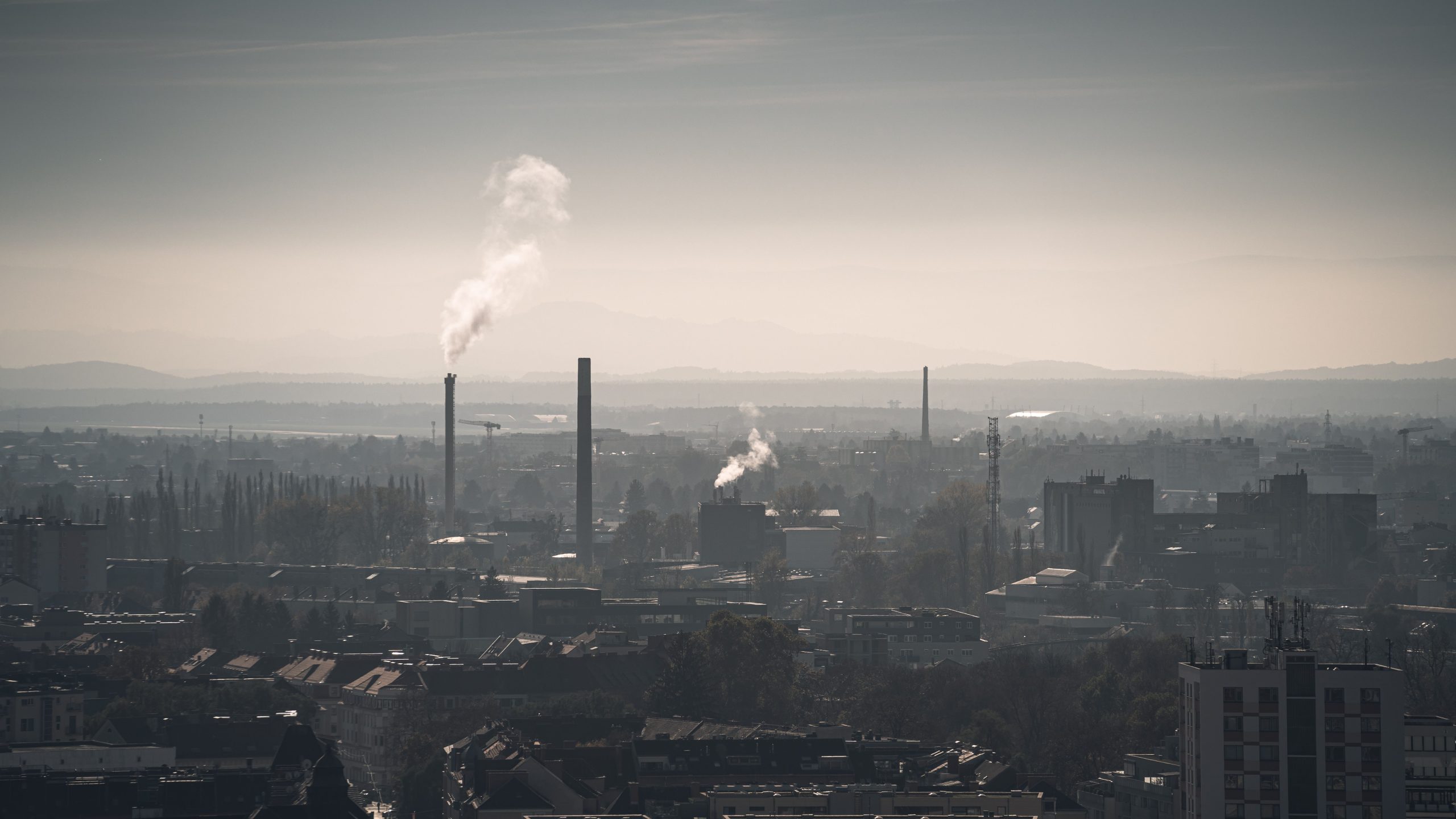

Officials in the Malaysian state of Sarawak announced contingency plans for a potential haze emergency as air quality in several areas reached unhealthy levels. The State Disaster Management Committee (JPBN) on August 30 detailed the measures that would be implemented if the Air Pollutant Index (API) continues to rise, marking the most significant air quality decline in the region since 2019.
According to data from Malaysia’s Department of Environment (DOE), the API reading in the Sri Aman division surpassed 200, a level classified as “very unhealthy.” Other areas, including the capital city of Kuching, also recorded “unhealthy” readings above 100. An API reading of 0-50 is considered “good,” 51-100 is “moderate,” 101-200 is “unhealthy,” 201-300 is “very unhealthy,” and anything above 300 is “hazardous.”
In a press statement, Sarawak Deputy Premier Datuk Amar Douglas Uggah Embas, who also serves as the JPBN chairman, outlined the government’s response protocol.
“If the API reading exceeds 200 for more than 24 hours, the committee will be activated to coordinate the state’s response,” Uggah stated. He confirmed that a formal haze emergency would be declared if API readings surpass 300.
Should an emergency be declared, all government and private sector workplaces, with the exception of essential services, would be ordered to close. Schools in affected areas are also mandated to suspend classes if the API exceeds 200.
The worsening air quality is being attributed by regional monitoring agencies to an increase in hotspots, which indicate forest fires. The ASEAN Specialised Meteorological Centre (ASMC) has reported a significant number of hotspots detected by satellite in neighboring Kalimantan, Indonesia, as well as a smaller number within Sarawak itself. Prevailing winds have carried smoke from these fires across the border, leading to the cross-boundary haze.
In response to the situation, state health authorities have advised the public, particularly vulnerable groups such as children, the elderly, and individuals with respiratory conditions, to limit outdoor activities. They also recommended wearing face masks when outdoors in areas with unhealthy air quality.
The National Disaster Management Agency (NADMA) is working with state authorities to monitor the situation. Officials have not ruled out the possibility of conducting cloud seeding operations to induce rain and improve air quality, should atmospheric conditions be suitable. The current event has drawn comparisons to the 2019 Southeast Asian haze, which caused widespread school closures and public health alerts across Malaysia and neighboring countries.

