
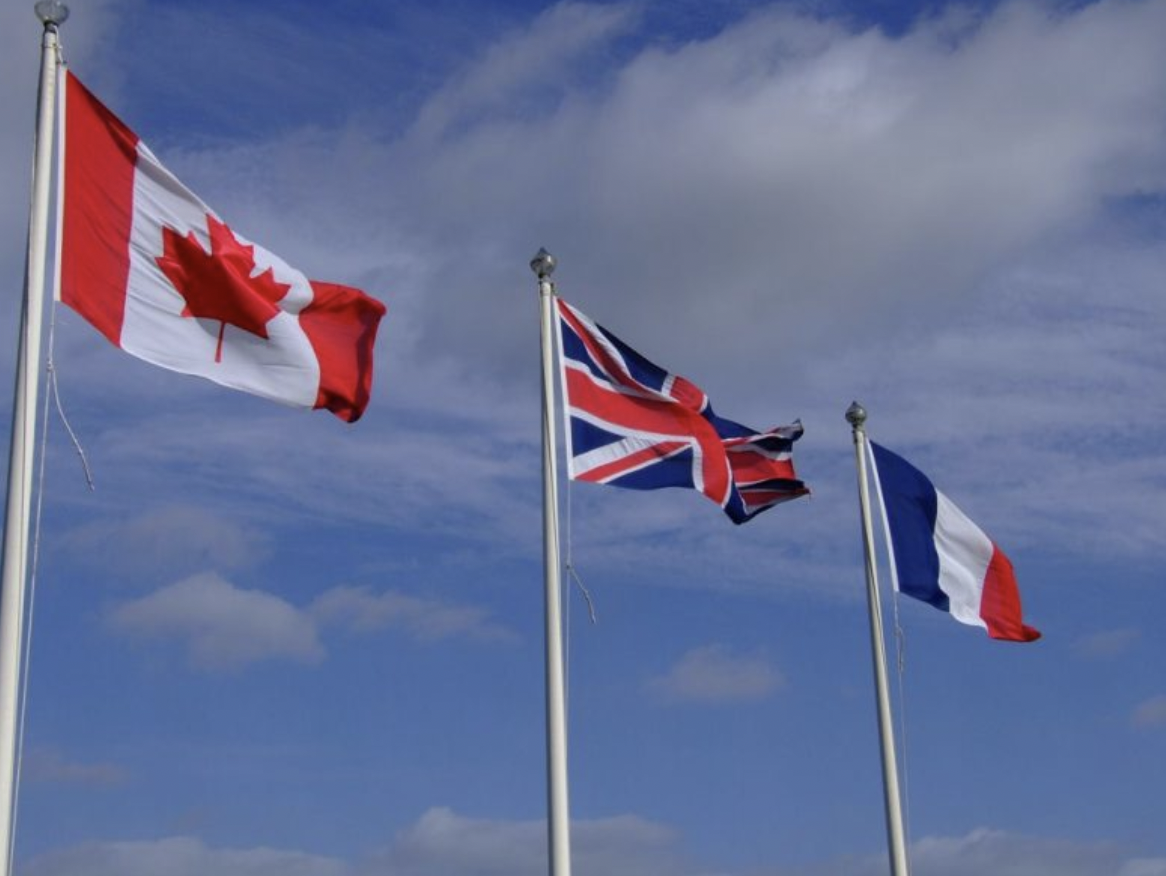

As the United Nations General Assembly approaches in September, a growing number of countries are set to recognize Palestine as a state. France, the United Kingdom, Canada, and Malta have announced plans to take this significant diplomatic step. While symbolic, the move arrives amid a catastrophic humanitarian collapse in Gaza, where the cost of delay is already measured in lives lost and infrastructure reduced to rubble.
France will become the first G7 member to recognize Palestinian statehood, joining a growing chorus including Spain, Ireland, Sweden, Slovenia, and Cyprus. UK Prime Minister Keir Starmer has pledged that Britain will do so unless Israel takes decisive steps to end the Gaza carnage. Canada, too, plans recognition in September, contingent on Palestinian Authority reforms and demilitarization. Malta will follow suit at the same United Nations event.
These decisions reflect mounting international frustration with the status quo—and a broader shift within European policy circles. But the momentum for recognition cannot distract from Gaza’s immediate crisis.
Israel’s bombardment of Gaza has unleashed a death toll that continues to climb—more than 61,000 fatalities, half of them children or women. UN data reveals that over 500,000 residents— almost a quarter of the enclave’s population—are now enduring famine-like conditions, with key indicators exceeding catastrophe thresholds. The territory has been subjected to more than 4.6 times the explosive force dropped on Hiroshima, equivalent to 70,000 tonnes of bombs. The carnage is being measured not in hindsight but in real time.
Children bear the brunt. In July, nearly 12,000 kids under five were acutely malnourished, with 2,500 classified as severely so. Since the conflict began, at least 227 starvation-related deaths—including 103 children—have been recorded. Humanitarian agencies warn that nearly 20,000 children have been hospitalized for acute malnutrition, with thousands more pregnant women malnourished or in immediate danger.
The recognition of Palestine is long overdue—and yet, tragically, too late to prevent widespread suffering across Gaza. If this moment is to carry meaning, it must be more than symbolic. Recognition must be paired with urgent, sustained humanitarian access, a ceasefire, and a commitment to protect civilian lives.
The world can no longer wait.

