

Singapore’s Foreign Minister Vivian Balakrishnan commented Wednesday on the security of the Strait of Hormuz, stating that U.S. President Donald Trump was not “completely wrong” in his view that Asian countries have a significant stake in keeping the waterway open. Balakrishnan made the remarks during an interview with CNBC at the Milken Institute’s Asia Summit in Singapore.
The comments were in reference to earlier statements by President Trump, who suggested that nations that are major importers of energy shipped through the strait, including China, Japan, and South Korea, should contribute more to its protection. President Trump had previously noted the U.S. has a reduced reliance on the waterway compared to many Asian economies.
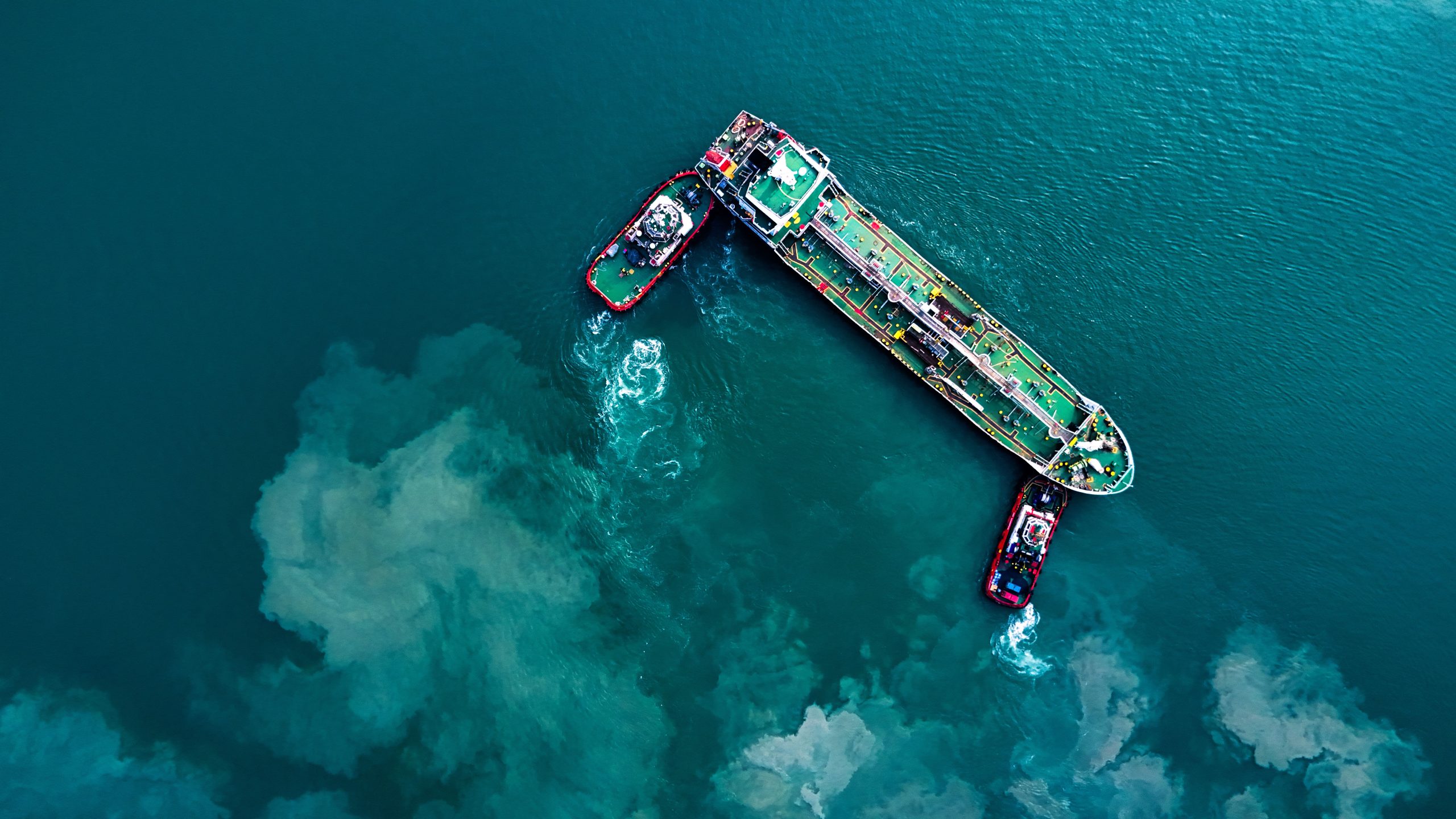
The Strait of Hormuz, which connects the Persian Gulf to the Arabian Sea, is a key maritime transit point for global energy supplies. A substantial volume of the world’s seaborne oil passes through the strait, with Asian countries being primary destinations.
While agreeing with the premise of Asia’s economic interest, Balakrishnan framed the issue in the broader context of international law. He described the principle of freedom of navigation through global waterways as “non-negotiable” and “an existential question” for a maritime nation like Singapore.
“This, for us, is an existential question, and it’s a matter of principle, matter of international law,” Balakrishnan said, referencing the United Nations Convention on the Law of the Sea.
During the interview, Balakrishnan also offered his perspective on Iran’s position regarding the strait. He stated that from Tehran’s viewpoint, the ability to regulate traffic could establish a right to determine which ships are permitted to pass. Balakrishnan characterized this as a potential “veto right” over the waterway. He further commented that this leverage could be more significant to Iran than a potential nuclear weapon.
Balakrishnan added that he did not foresee the United States or Gulf states accepting a situation where Iran held such control over the strait.
The foreign minister reiterated Singapore’s position of neutrality between the United States and China, stating the city-state would “refuse to choose” between the two powers and would act according to its national interests. He affirmed Singapore’s commitment to upholding freedom of navigation in its own region, through the Strait of Malacca.

