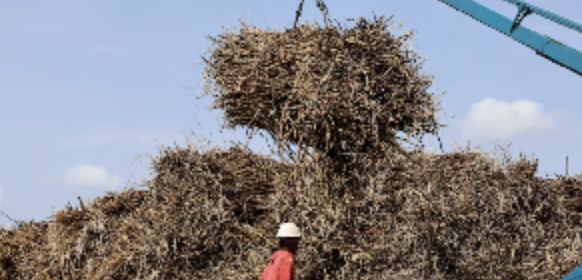
Farmers in South Africa’s sugar industry are reducing the workforce to cope with the problems resulting from the 30% tariff imposed by U.S. President Donald Trump on South African imports and the competition from the cheap sugar that is coming from outside of the country.
According to Mr. Nkosinathi Msweli, a farmer in KwaDukuza on the eastern coast of South Africa, he will have to lay off about 20 workers this season due to the aggregated difficulties.
The sugar industry in South Africa is worth approximately 25 billion rand ($1.42 billion) and is the major source of direct and indirect job opportunities for more than 300,000 people.
The industry comprises almost 26,000 small farmers, mainly Black, who live and work nearby with 1,100 big growers.
South African farmers are facing a hard time trying to outdo their competitors with the cheap products from their neighboring country, Eswatini, which enjoys a preferential access under a regional customs treaty.
The prices of the goods globally have also fallen because of significant production in India, Brazil, and other major producers.
Previously South Africa was granted a duty-free quota allowing sugar exports of 24,000 metric tons to the U.S. market under the African Growth and Opportunities Act.
According to the South African Cane Growers’ Association, the U.S. market, although accounting for only 5% of the total sugar exports, offered high prices that were the reason for the domestic jobs sustaining.
The association is recommending the government to go into the U.S to discuss trade deals that can help to maintain exports to the country.
Pratish Sharma, a member of the board, said poor trade relationships with the U.S. would negatively affect multiple sectors far beyond just sugar farming.