
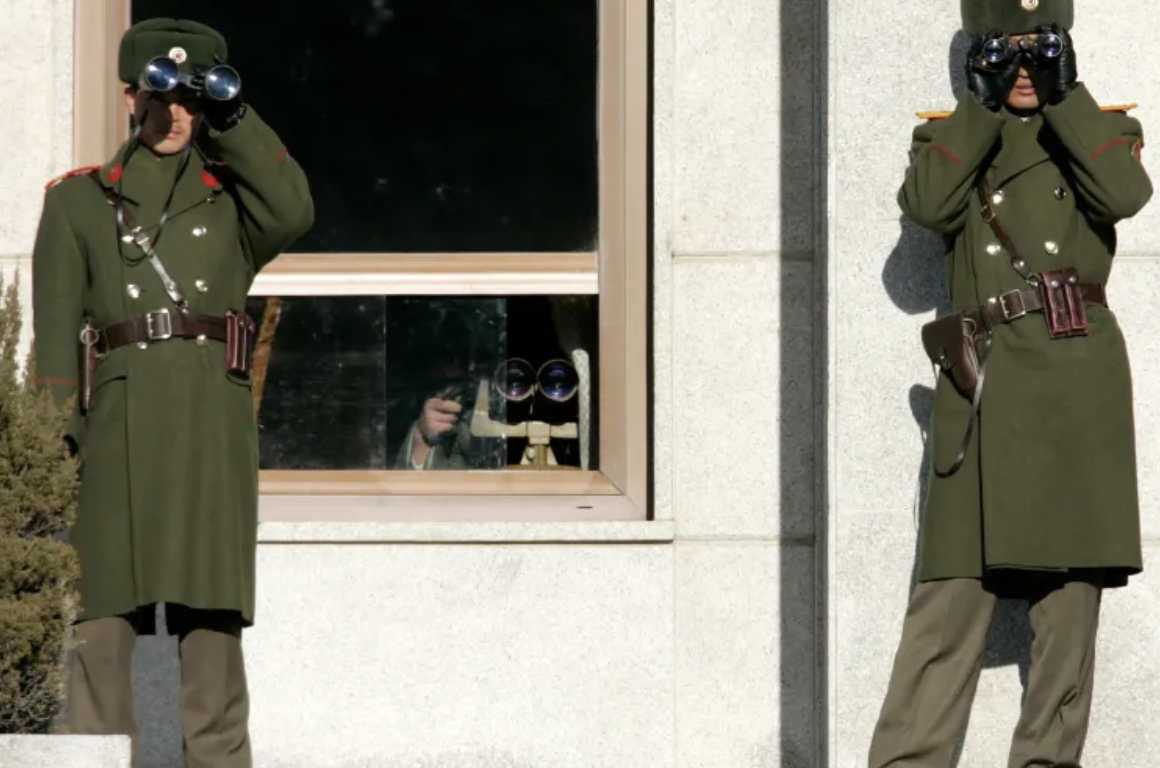

South Korean President Lee Jae-myung made it clear that his administration was re-launching the inter-Korean military understanding of 2018. This was the agreement by which both parties agreed not to have misunderstandings and carbon copies that would allow equal observation and thus transparency along the border, but it was suspended in 2024 after Pyongyang’s repeated provocations.
Mr. Lee’s policy can clearly be identified as a departure from the confrontational manner of Mr. Park’s regime. Since his inauguration on June 25, Lee has been very active in taking concrete measures to calm down the prevailing tension, like stopping the anti-North Korean leaflet drops or taking down the loudspeakers along the border. His purpose is to renew faith and open ways for dialogue with Pyongyang, which is a totally different approach from before.
Nonetheless, Pyongyang has stayed skeptical. The argument that Kim Yo Jong, the sister of North Korean leader Kim Jong Un, has presented is that Seoul’s peace initiatives are nothing but propaganda tricks of the South Korean government to create a warm atmosphere for the talks, while in reality, they are very far from being fruitful. Such suspicion makes one understand how delicate the trust factor that is still required in this case between the two Koreas is.
The renewed military pact is packed with such features as the suspension of all common military drills, the removal of some guard posts, and the setting up of no-fly zones along the border. The idea behind these measures is to diminish the probability of war, provide a safer environment for the two countries, and make it possible to cooperate with them to meet one another in the future.
Besides dealing with the North, Lee’s administration is also interested in the historical conflicts. Referring to the planned summit with Japanese Prime Minister Shigeru Ishiba, Lee stressed the need for “forward-looking” diplomacy and pointed out that the dispute over the past should not be allowed to prevent the development of constructive partnerships in the region.
Though the revival of the military agreement casts a positive light on peaceful cooperation, the realization of reconciliation remains to be seen. The antagonistic attitude of North Korea and its growing collaboration with Russia make the South Korean administration’s diplomatic mission a hard one. Still, President Lee’s program is a testament to his virtues, among which are conducting talks, holding back, and engaging tactfully with neighbours to instill calm on the Korean Peninsula.

