

One month after launching its Cybercab autonomous ride-hailing service in Austin on Sept. 3, Tesla has increased its number of authorized vehicles for commercial use in Texas. The initial month of operation has included public feedback on the service’s performance and an inquiry from federal auto safety regulators.
According to public records from the Texas Department of Motor Vehicles, Tesla began its Austin service with 45 authorized Cybercabs. As of early October, that number had grown to 169. The company’s driverless fleet in the state also includes 420 Model Y vehicles equipped with its automated driving systems. The Cybercab vehicle itself features no steering wheel, pedals, or mirrors.
Public response to the service has been documented on social media and in media reports. Some users have reported issues including long wait times and incorrect pickup or drop-off locations.
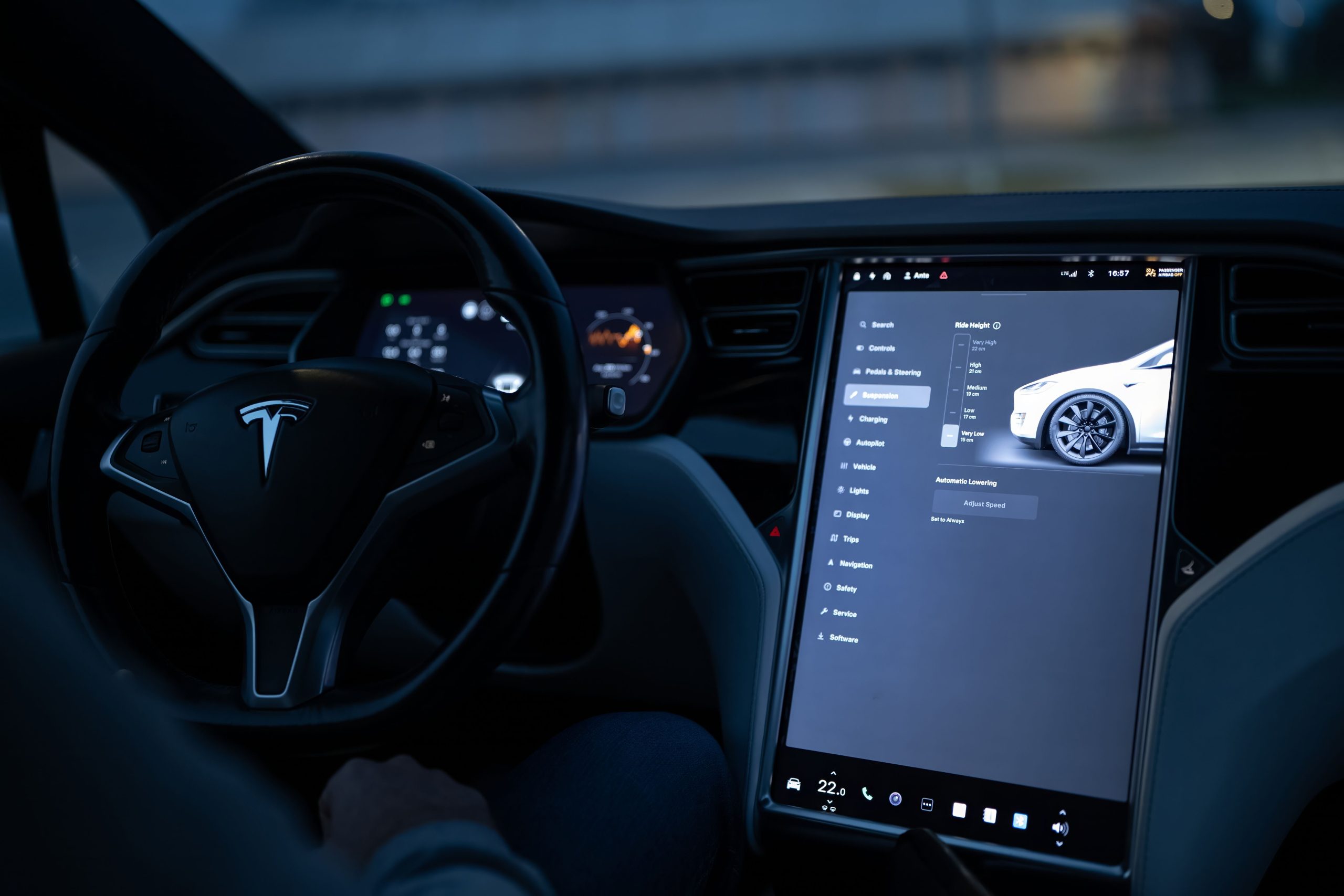
Ethan McKanna, an Austin resident who has used the service, told CNBC he experienced a “very smooth” ride quality and noted the large in-vehicle screen. He also described the pickup and drop-off experience as “not yet refined” and found the vehicle’s butterfly doors “less convenient” than traditional doors.
The expansion of Tesla’s autonomous vehicle services occurs as the company’s core automotive business has reported a 2% year-over-year drop in vehicle deliveries for the third quarter. In the competitive autonomous vehicle market, Alphabet’s Waymo reported it had 1,154 autonomous vehicles authorized for commercial use in Texas as of early October. Waymo states it operates over 4,000 driverless vehicles in the U.S. and provides more than 500,000 paid rides weekly.
Following the Cybercab’s launch, the National Highway Traffic Safety Administration (NHTSA) initiated an “audit query” to verify the vehicles comply with federal safety standards. An agency spokesperson confirmed that Tesla received an extension for its response to the inquiry, which was originally due Sept. 30.
Local emergency services have also commented on the new vehicles. In an interview with CNBC, Austin Fire Captain Matt McElearney said Tesla provided first responders with detailed emergency guidelines. McElearney stated a desire for regulations that would require autonomous vehicles without manual controls to have a way for public safety officials to control the vehicle in an emergency.
Public sentiment on the technology has been measured by market researchers. A September 2026 report from Slingshot Strategies found that 50% of U.S. respondents in a survey said they would not feel comfortable riding in a robotaxi without a steering wheel or pedals.
Tesla has not issued a public comment on the NHTSA inquiry or user feedback. Company CEO Elon Musk stated at the World Economic Forum in January that he expected Tesla’s robotaxis to be “very, very widespread” in the U.S. by the end of 2026. While the company has plans for expansion in other Texas cities, as well as in Nevada and Florida, it has not yet obtained permits to operate its autonomous vehicles without a human driver on public roads in California.

