
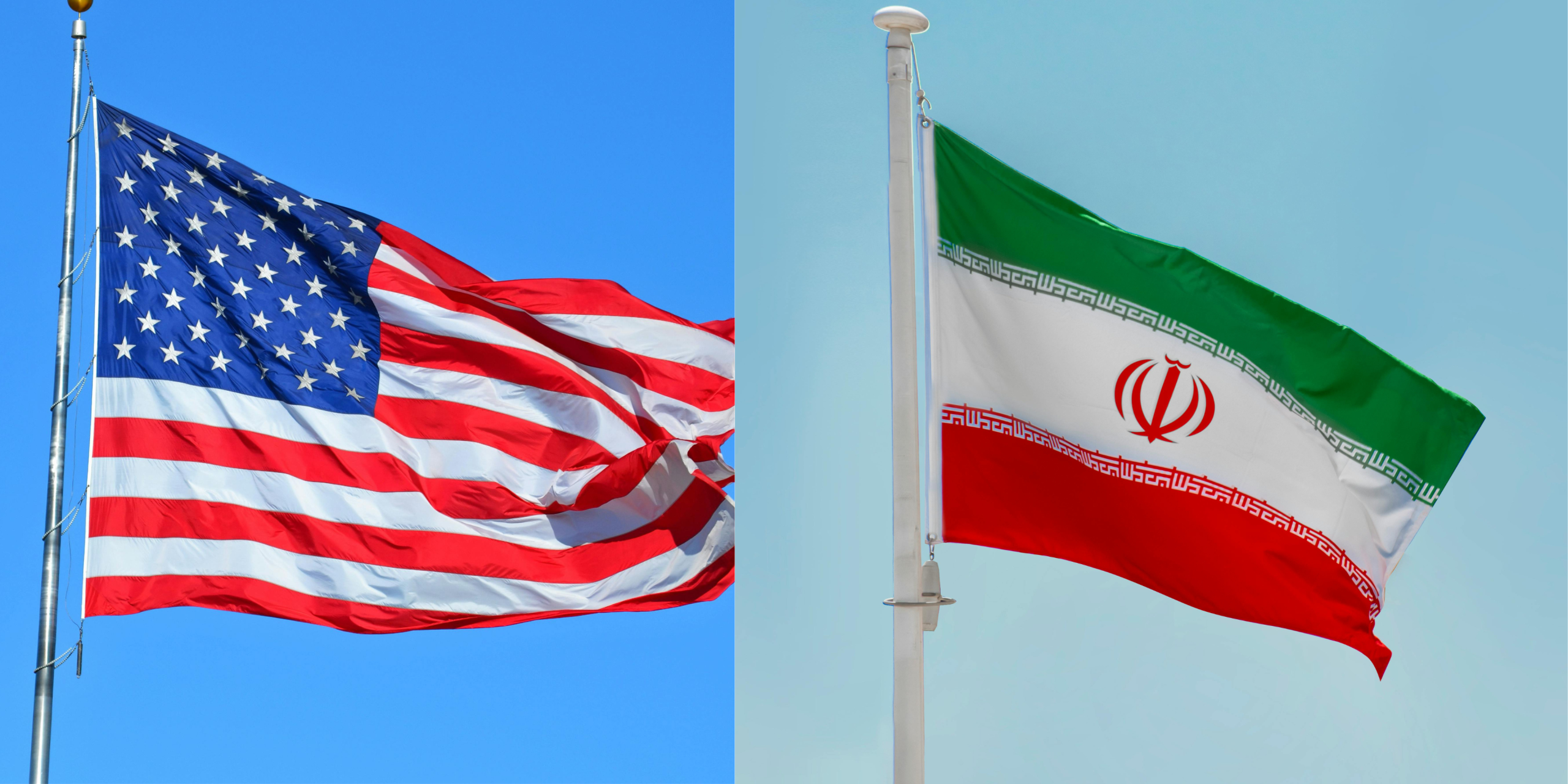

In a September 18 interview with NewsNation, President Donald Trump commented on the U.S. administration’s approach to ongoing conflicts involving Iran and Houthi forces in Yemen. The president said he was waiting to “see what happens” before determining future actions and suggested that diplomatic resolutions were possible.
When asked about the conflict with Iran, Trump stated, “Right now, they want to make a deal. And if the deal’s not a correct deal, then I wouldn’t even think about it.”
The administration has recently implemented economic measures related to the conflict. These actions include sanctions aimed at countries conducting business with Iran and what has been described as a counter-blockade in response to Iran’s activities in the Strait of Hormuz.
During the interview, the president also addressed the situation in Yemen, where Houthi forces have advanced along the Red Sea coast.
“Well, we’re talking to the Houthis also, and they would like to see if we can make a deal,” Trump told NewsNation. He concluded his remarks on the regional conflicts by stating, “It’ll all work out.”
The president’s comments were made as The Washington Post published a report regarding the number of U.S. military casualties in the conflict with Iran. The Department of Defense’s official public tally lists 18 American service member deaths. Citing six unnamed officials, the Post reported that at least 22 service members have died in the conflict.
In a separate development reported on the same day by The New York Times, cooperation between the U.S. Federal Bureau of Investigation and the Royal Canadian Mounted Police (RCMP) was partially halted. The report attributes the decision to FBI Director Kash Patel, following internal guidance issued by Canada’s public broadcaster, the CBC, regarding language used to describe the September 11 attacks. According to the Times, the FBI canceled some meetings and suspended certain joint operations with the RCMP. The CBC later revised its internal guidelines.

