
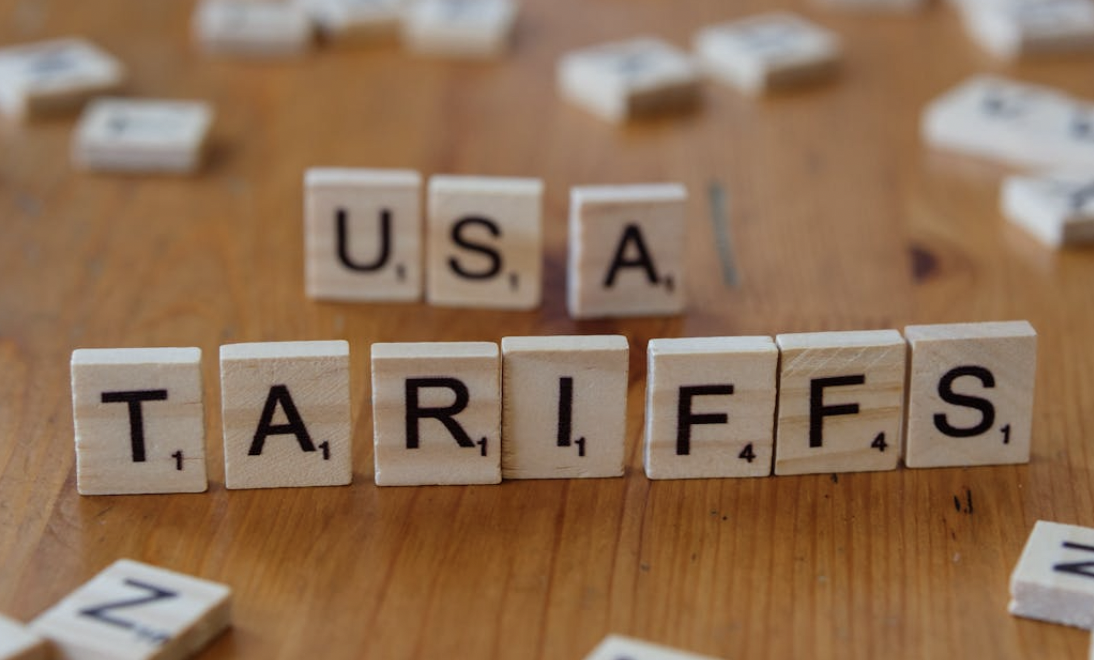

Donald Trump, the President of the United States, has asked the EU leaders to instigate severe tariffs on imports from China and India with a maximum rate of 100% to force Russia to back down from its invasion of Ukraine. The surprising move, which was verified by several officials, shows the extent of Washington’s exasperation with the war stalemate and echoes Trump’s readiness to further toughen economic sanctions against Moscow’s allies.
During a high-level meeting in Washington on Tuesday, where U.S. and EU officials convened to explore ways to intensify sanctions against Russia, Trump, via a remote intervention, came up with his call. An American official’s account of Trump to the group is that only the enactment of drastic tariffs that would stay until Beijing ceased its oil purchases from Russia was the way forward; moreover, Washington was prepared to act at once, but only if Europe was part of a coordinated push.
An additional comment from an official stated that the U.S. would “reflect” any tariffs imposed by the EU, which could lead to a significant hike in duties on Chinese and Indian goods. The plan is to cut off one of Moscow’s last financial resources for the war, given that India and China still buy Russian energy in spite of the West’s attempts to stop the trade.
Later, Trump dropped a hint that he might speak with Russian President Vladimir Putin imminently, informing reporters that he anticipated a call “this week or early next week.” Putin, Chinese President Xi Jinping, and Indian Prime Minister Narendra Modi had just displayed their solidarity at a regional summit, a clear signal that the three countries are still very closely yoked despite Western resistance, upon which his statement was made.
The United States has, however, already stepped up the pressure on India. To retaliate against its oil purchases from Russia, last month, Washington escalated tariffs on Indian imports to 50 percent, thereby straining relations with New Delhi. Despite this, Trump commented more amicably on social media, labeling Modi as “a really good friend” and implying that the ongoing trade negotiations might have a positive result.
So far, China has not been directly hit with punitive measures for its oil imports from Russia, but Trump did significantly increase tariffs on Chinese goods earlier this year before backing down due to market disruption. EU officials, conversely, have been more measured. Under the leadership of sanctions chief David O’Sullivan, European diplomats are considering potential secondary sanctions on countries trading with Russia, but many governments are afraid of the economic consequences of targeting their biggest trade partners.
However, for Trump, the issue revolves less around money and more around political determination. “Do the Europeans have the necessary will to end the war?” asked one U.S. official, emphasizing that although such tariffs would be very unpleasant, Washington expects its allies to “share the pain”.
The suggestion brings into focus the increasing differences between America’s call for stringent actions against Moscow and Europe’s indecisiveness, which is caught between endorsing Ukraine and safeguarding its trade interests with China and India.

