
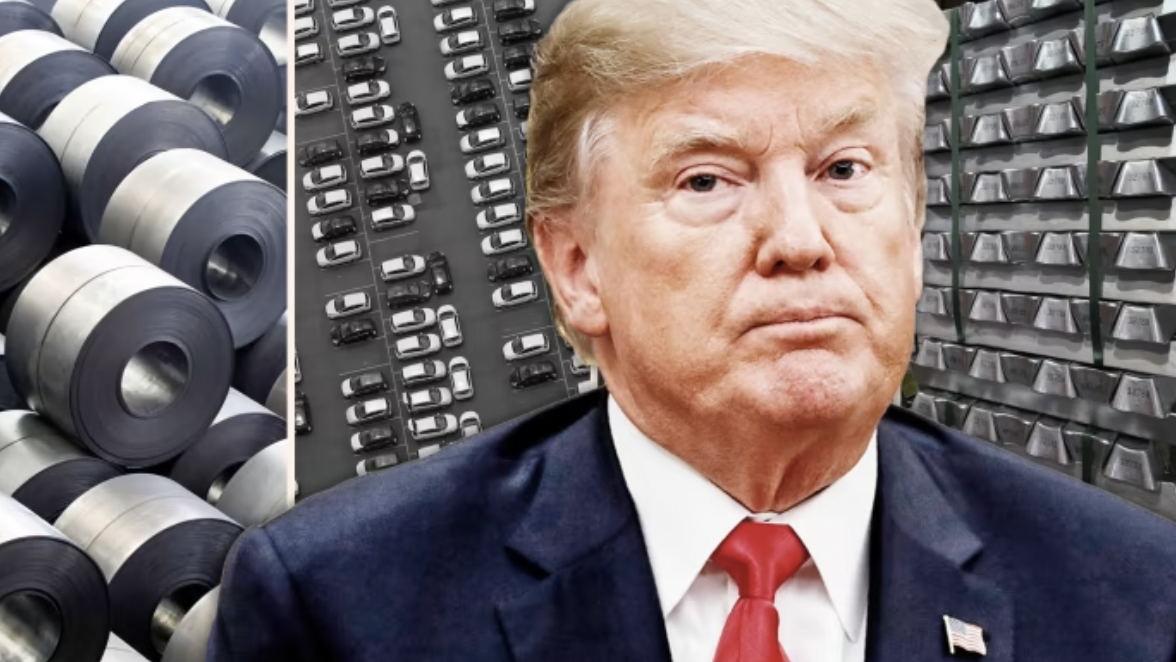

When U.S. President Donald Trump and European Commission President Ursula von der Leyen announced their transatlantic trade deal last week, the optics suggested partnership. The reality is anything but.
Late Monday night, Trump signed an executive order locking in 15 percent tariffs on the bulk of EU exports to America, effective August 7. The agreement also compels Europe to make sweeping financial commitments — pledging to import large volumes of U.S. energy and to invest heavily inside the United States.
The deal leaves Europe boxed in: accept painful tariffs and costly promises, or risk even harsher U.S. measures. Von der Leyen insisted that compromise was necessary to avoid a deeper trade war, but many in Brussels see the outcome as a lopsided capitulation.
Who loses
The biggest losers are Europe’s exporters, particularly in the car industry, machinery, and agricultural products. German auto manufacturers — already grappling with China’s slowdown — now face a price hike that will cut into their competitiveness in the crucial U.S. market. Wine, cheese, and high-value farm exports from France, Italy, and Spain are also squarely in the tariff crosshairs.
Europe’s taxpayers and treasuries also lose out. The “telephone-number” commitments to buy American liquefied natural gas and to pour investment into U.S. infrastructure tie up vast public funds at a time when the EU faces mounting domestic challenges, from the green transition to military aid for Ukraine.
Who wins
There are, however, a few winners. Energy suppliers in the U.S. stand to profit handsomely, gaining a guaranteed European market for their gas and oil. On the European side, some Central and Eastern European countries, long anxious about dependence on Russian fuel, view the deal as a safer (if costlier) alternative that strengthens energy security.
Within the EU, sectors shielded from tariffs — such as pharmaceuticals and certain digital services — escape relatively unscathed, giving them a modest competitive edge compared to industries now saddled with U.S. duties.
Still, these silver linings pale beside the broader reality: Europe ceded ground to Washington. For Trump, it’s a domestic political win he can tout as proof of “America First” — for Europe, it’s a stark reminder of its vulnerability in negotiations with an unpredictable U.S. administration.

