
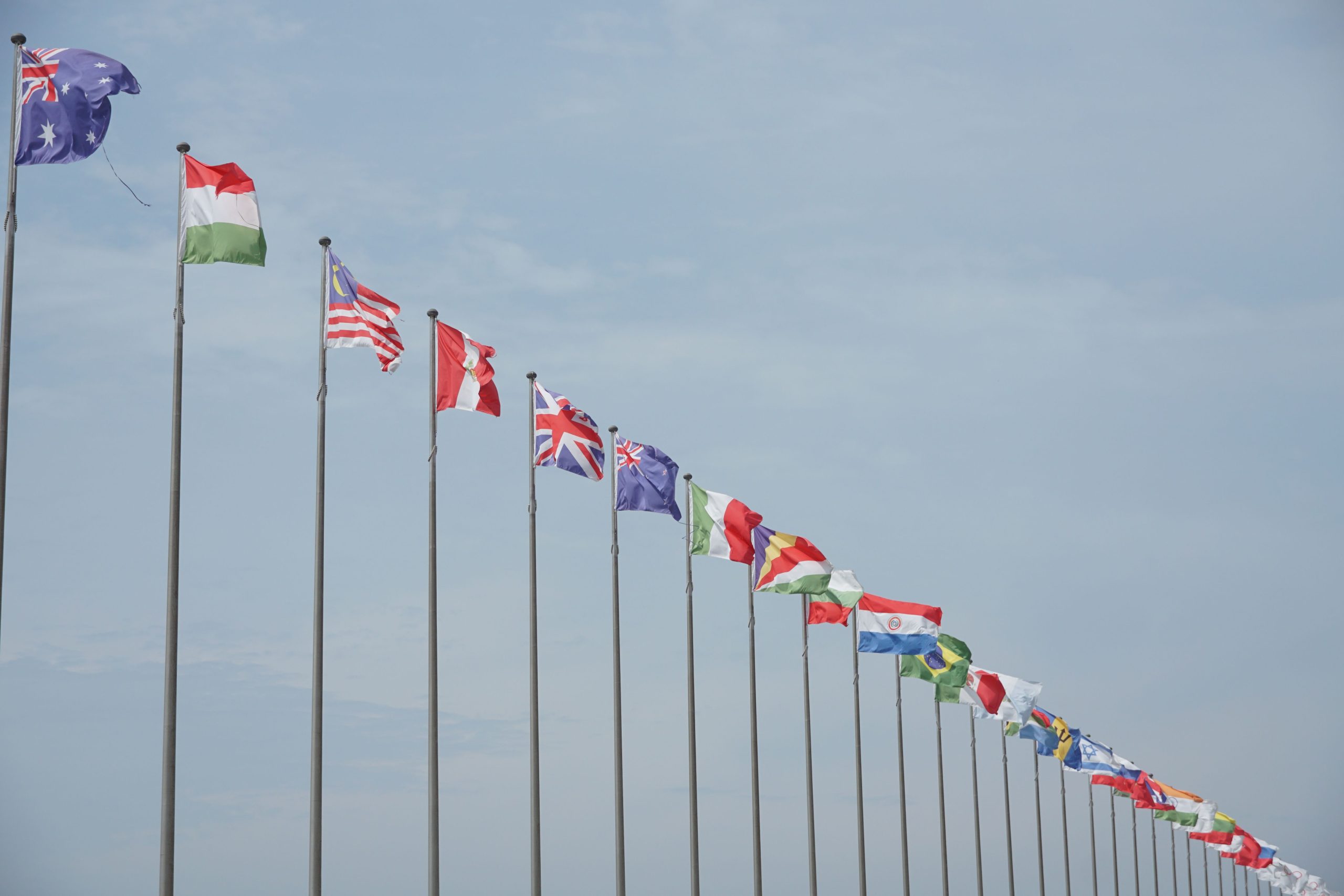

The United Nations General Assembly on Tuesday elected 15 countries to serve three-year terms on the Human Rights Council. The election was uncontested as each U.N. regional group presented the same number of candidates as there were available seats for the term beginning in 2027.
The 193-member General Assembly held the vote at U.N. headquarters. For the second consecutive year, the non-competitive slates for the 47-nation council resulted in all nominated countries securing a position.
The newly elected members are:
Africa: Burundi, Ghana, Nigeria, and Zambia.
Asia-Pacific: Japan, Jordan, Kuwait, and Nepal.
Latin America and Caribbean: Brazil, the Dominican Republic, and Uruguay.
Western Europe and Others: Germany and Ireland.
Eastern Europe: Moldova and Ukraine.
Following the vote, human rights organizations voiced criticism over the non-competitive nature of the election.
“This uncompetitive vote makes a mockery of the word ’election’,” said Louis Charbonneau, U.N. director at Human Rights Watch, in a statement. He called on U.N. member nations to “insist on competitive slates so they can reject candidates with poor human rights records.”
When asked about the uncontested elections, U.N. Spokesman Stephane Dujarric said the process was a matter for the member states to decide. “But what we’ve always said is that member states who are elected to this organization’s highest human rights body have an added responsibility to protect human rights,” Dujarric stated.
The Human Rights Council, based in Geneva, was established in 2006 to replace the Human Rights Commission. The council’s mandate includes reviewing the human rights records of all U.N. member states, appointing independent investigators to report on specific themes or country situations, and dispatching fact-finding missions to investigate alleged violations. Current missions are active in locations including Ukraine, Sudan, and the occupied Palestinian territories.
The council has previously faced criticism over its membership. In 2018, the United States, under the Trump administration, announced its withdrawal from the body, citing what it described as anti-Israel bias. The terms for the 15 newly elected members will commence in January 2027.

