
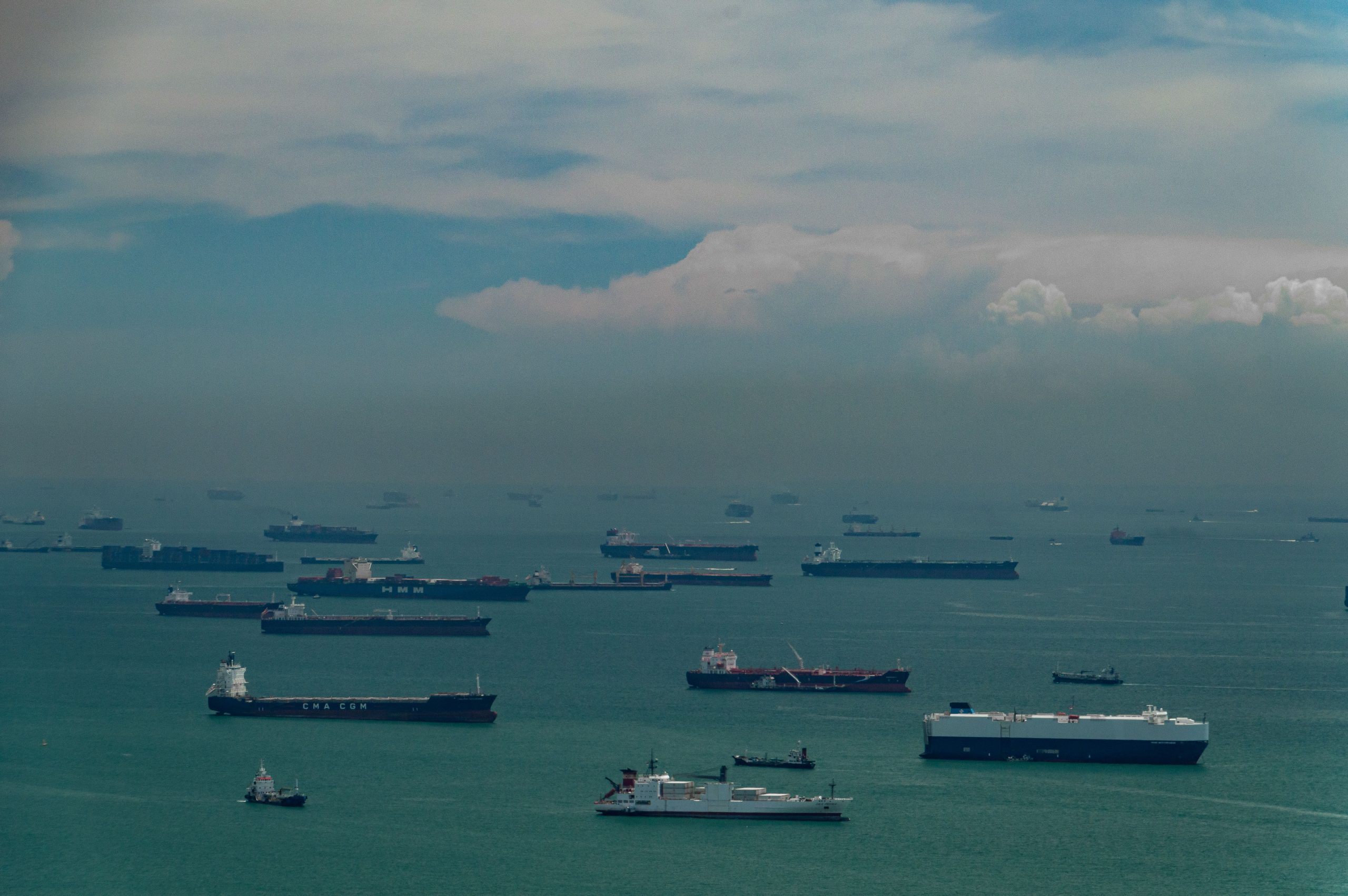

U.S. President Donald Trump stated on Monday that the U.S. Navy has secured the Strait of Hormuz, while also demanding financial reparations from Iran. The statements follow demands from Tehran, which outlined its own conditions for reopening the critical waterway amid an ongoing U.S. naval blockade of its ports.
Speaking to reporters in the Oval Office on August 10, Trump said the U.S. Navy holds “100% control” of the strait after clearing it of mines. “It’s open now,” he said, adding that the U.S. was “the only one that has control of the Strait of Hormuz right now.” He referred to the U.S. military posture as a “steel wall.”
In a post on the social media platform Truth Social early Tuesday, Trump introduced a demand for reparations from Iran. He stated Iran should compensate the U.S. for casualties from attacks linked to Iran and for Iranian protestors he said were killed by the country’s government.
Trump’s remarks followed a statement from Iran’s Supreme National Security Council on Saturday. The council’s secretary, Mohammad Bagher Zolghadr, detailed several conditions for reopening the strait, a route for approximately one-fifth of the world’s oil supply before the current events.
According to Zolghadr, Iran’s conditions include the lifting of the U.S. naval blockade and economic sanctions, the withdrawal of American forces from the region, payment of war reparations, and the release of frozen Iranian assets.
A U.S. naval blockade of Iranian ports has been in effect since mid-April. Iranian officials have stated the Strait of Hormuz will remain closed until their demands are met.
On Tuesday, Iran’s foreign ministry addressed the economic pressure from U.S. sanctions. Spokesman Esmaeil Baqaei responded to comments from U.S. Treasury Secretary Scott Bessent, who said the sanctions were “suffocating” Iran. Baqaei said that Washington’s use of sanctions has become less a “policy” than a “compulsive addiction.”
The situation has affected global energy markets. On Monday, West Texas Intermediate crude for September delivery increased by approximately 5% to settle near $82.13 a barrel. Brent crude saw a similar rise, settling around $87.72 a barrel.
Lloyd Chan, a senior currency analyst at MUFG Bank, commented on the market impact, noting that tanker traffic through the strait remains low and that Brent prices are above pre-conflict levels.

