
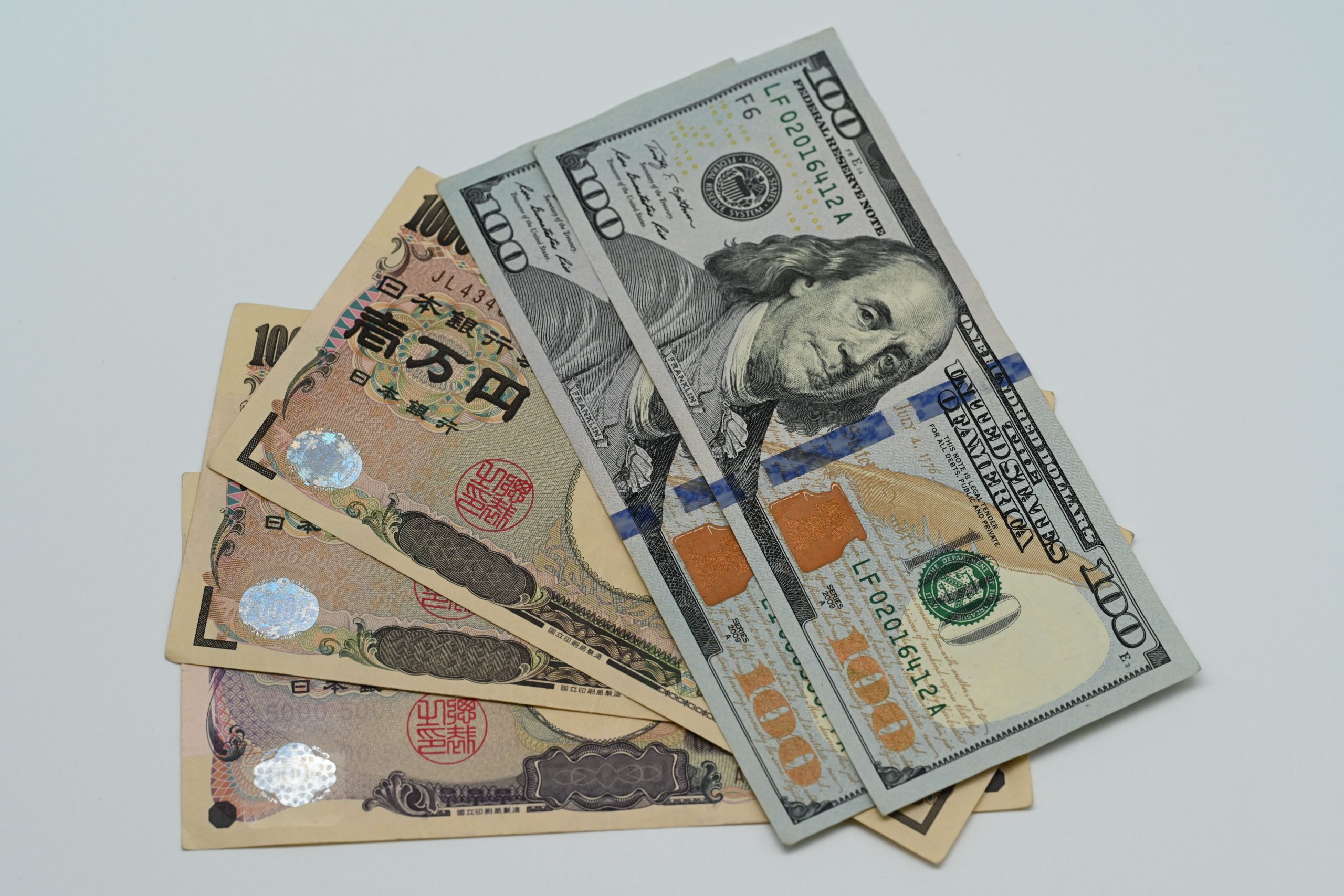

Recent movements in the value of the Japanese yen have directed investor attention toward the yen carry trade, a long-standing global financial strategy. This strategy, which relies on borrowing yen at low interest rates to purchase higher-yielding assets in other currencies, is being closely watched as central banks globally adjust their monetary policies.
The yen carry trade is a strategy used by investors to profit from the difference in interest rates between two countries. The process typically involves borrowing Japanese yen, a currency that has historically been subject to low interest rates set by the Bank of Japan (BoJ). Investors then convert the borrowed yen into a currency with a higher interest rate, such as the U.S. dollar, and invest in assets like government bonds denominated in that currency.
The primary source of profit is the “carry,” or the net interest rate differential between the interest paid on the yen loan and the interest earned from the foreign asset. For decades, the BoJ’s policy of maintaining ultra-low, and at times negative, interest rates has made the yen a principal funding currency for this type of trade. In contrast, central banks like the U.S. Federal Reserve have, at various times, offered significantly higher rates, creating a favorable differential for investors.
However, the strategy carries significant risk related to foreign exchange rates. A key condition for the trade’s profitability is a stable or depreciating yen. If the yen strengthens against the currency of the high-yield investment, the gains from the interest rate differential can be diminished or erased. A substantial appreciation of the yen can lead to losses, as it becomes more expensive for investors to convert their foreign assets back into yen to repay the original loan.
Recent market activity has highlighted this risk. The yen has experienced periods of appreciation against the U.S. dollar, influenced by factors including shifts in inflation data and statements from central bank officials. For example, comments from Bank of Japan Governor Kazuo Ueda and other board members regarding potential changes to the country’s monetary easing policies have been noted by market participants.
An “unwinding” of the yen carry trade occurs when investors close their positions, a process that involves selling their foreign assets and buying yen to pay back their loans. According to financial market analysts, a rapid and large-scale unwinding of these trades could increase demand for the yen, further strengthening the currency. This action can also introduce volatility into global bond, currency, and equity markets as large volumes of assets are sold.
Given the scale of the capital involved, market participants continue to monitor policy signals from the Bank of Japan and other major central banks, as well as fluctuations in the yen exchange rate, for their potential impact on this global investment strategy.

