
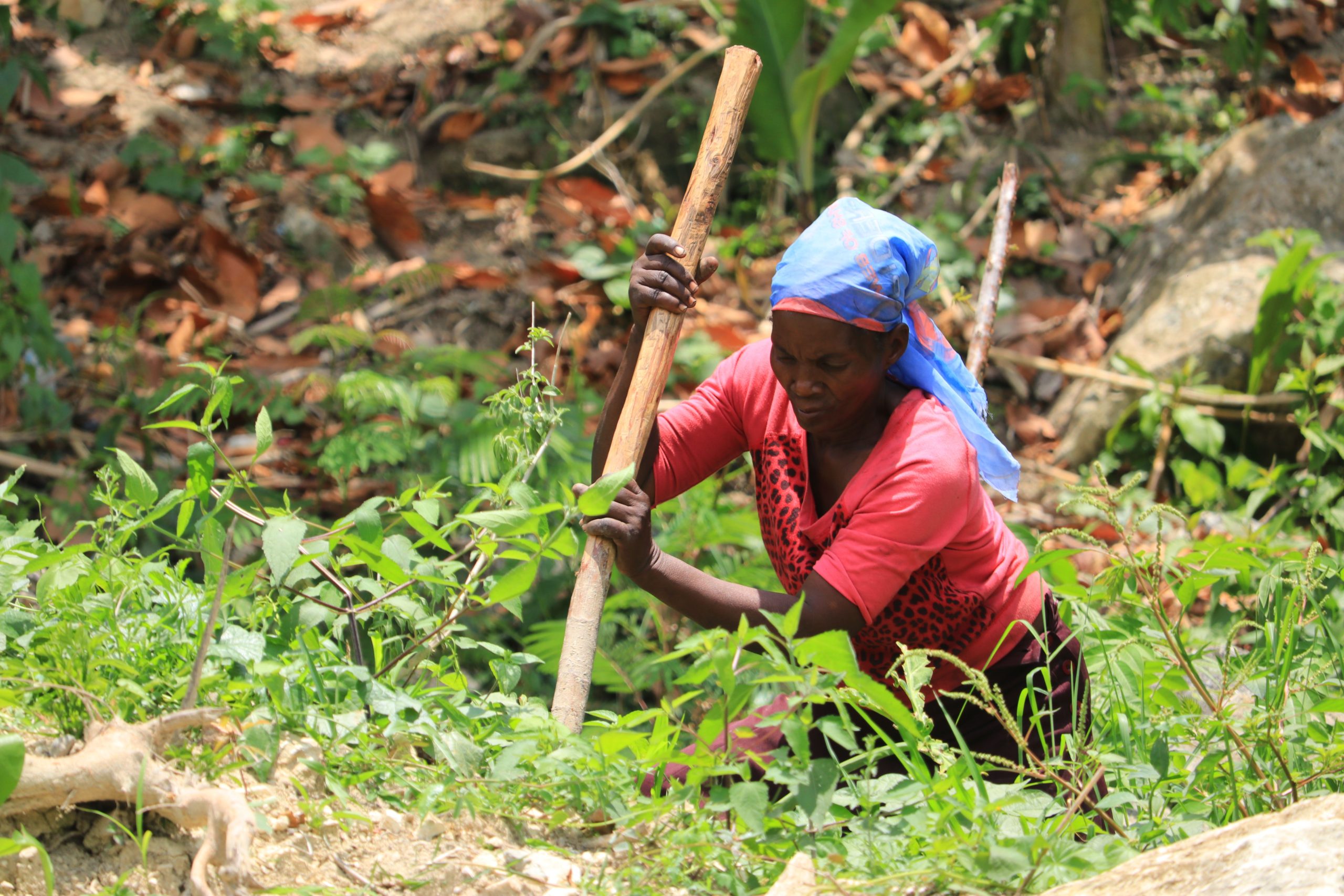

Members of Zimbabwe’s Parliament announced their intention to pursue legislation that would formally recognize and regulate unpaid care work. During a recent workshop on gender-responsive budgeting, the legislators also urged the government to ensure the upcoming national budget addresses the economic contributions of individuals, primarily women, who perform domestic and caregiving duties without financial compensation.
The workshop was organized by Women and Law in Southern Africa (WLSA), a regional organization focused on women’s legal rights. The event brought together parliamentarians and civil society representatives to discuss how national fiscal policies can be structured to promote gender equality.
Participants at the event identified unpaid care work—which includes tasks such as childcare, caring for the elderly, cooking, and household management—as a significant economic activity that is not currently measured in national economic statistics like Gross Domestic Product (GDP). According to statements from the workshop, this lack of recognition leaves the work undervalued and its providers without social or economic support.
The parliamentarians in attendance stated they would advocate for a legal framework to quantify and value these contributions. They also called for the 2025 national budget to include specific provisions that support caregivers. These provisions could include funding for public services like childcare facilities, access to water, and healthcare, which would reduce the time and labor required for domestic tasks.
The push for these reforms is part of a broader call for gender-responsive budgeting, a policy approach that analyzes how government spending and revenue collection impact different genders. Proponents argue that by applying this lens, policymakers can create more equitable budgets that address specific needs and close economic gaps.
The discussions highlighted data indicating that women and girls globally perform a disproportionate amount of unpaid care work. The MPs committed to raising these issues during upcoming parliamentary sessions and budget formulation processes. WLSA stated the workshop was intended to equip lawmakers with the tools and information needed to champion these policy changes within the government.

