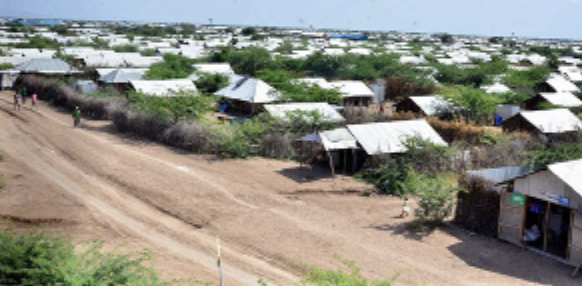
Refugees in the Horn of Africa, who are living in hundreds of thousands of various camps, are suffering from a plethora of aggravated humanitarian crises that have led to not only the infection rates that have gone through the roof but also food rations that have plunged steeply. The declining environment’s root causes are deeply embedded in the funding cuts that have been primarily made by the United States which in turn has compelled aid agencies to shut down their essential services.
Nutrition services that had been accessible in four of the seven UNHCR-managed camps in the Gambela region of Ethiopia have been completely eliminated. There is also a nutritional impact on around 80,000 children, namely those aged under five.
As prevention activities were scaled down during the rainy season, the number of malaria cases rose by 125 percent from June to July.
The cut in the monthly rations of the World Food Programme after the suspension of aid from the US in March 2025 has gone a long way in negatively affecting the Kakuma Refugee Camp in Kenya such that where the rations were halved, the camp has been impacted.
At present, the refugees’ distribution comprises only 3 kg of rice, 1 kg of lentils, and 500 ml of cooking oil per person per month, which is far below the nutritional standards set by the UN.
The outcomes were terrible, the number of kids who were malnourished and admitted to hospitals has gone up from 58 in March to 146 in April.
The number of deaths reached a peak of 15 in April, which is three times the normal monthly average of five. The daily intake of calories has fallen to about 600, which is less than 30 percent of the recommended 2,100.
These cuts, on top of disrupting the stable systems for food, medicine, and sanitation that had been in place, also put the already vulnerable refugees in a frightening position as the camps became overcrowded.
Since aid has decreased and disease prevention measures have weakened, the situation in which refugees live has become extremely dangerous.
The deteriorating situation has led to riots and violence in Kakuma, as the conflict over the decreasing resources and the newly introduced aid policies has become more intense.