
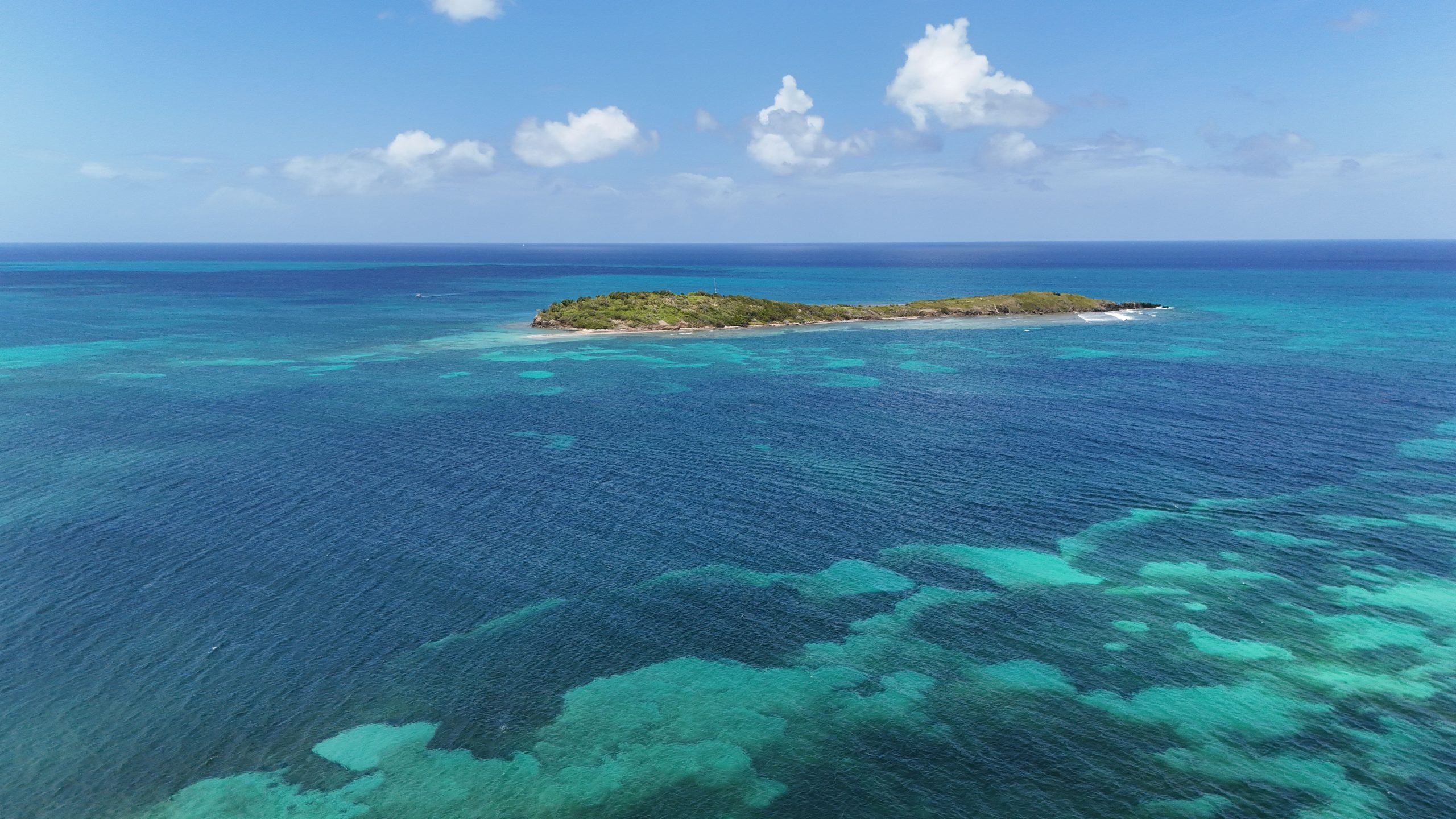

The Air Force Museum of New Zealand has released a collection of 47 historical aerial photographs of Nikumaroro, a Pacific atoll. The release coincides with an ongoing expedition on the island searching for evidence related to the 1937 disappearance of aviator Amelia Earhart and navigator Fred Noonan.
The museum, located in Christchurch, published the high-resolution digital images on its website following multiple public requests. According to the museum, the photographs were taken on Dec. 1, 1938, by the Royal New Zealand Air Force during a survey to identify potential airbase locations in the Pacific.
The negatives were located more than a decade ago by Matthew O’Sullivan, the museum’s keeper of photographs. While some lower-resolution versions of the images have appeared on blogs, the museum’s action marks the first official release of the complete, high-quality set.
The photographs provide some of the earliest detailed views of the island, which was then known as Gardner Island. They have been of interest to researchers who subscribe to the theory that Earhart and Noonan landed on the atoll after running out of fuel during their attempt to circumnavigate the globe. This hypothesis suggests they may have survived for a time on the uninhabited island. It is supported by evidence from past expeditions, including artifacts and signs of a campsite.
Ric Gillespie, an investigator who has researched the case for several decades with The International Group for Historic Aircraft Recovery (TIGHAR), referred to the newly released images as a “goldmine” in a blog post.
The release of the photos comes as a team of archaeologists and scientists from Purdue University, an institution with historic ties to Earhart, conducts a search on Nikumaroro. The expedition is focused on investigating an anomaly in a lagoon, referred to as the “Taraia Object,” which was first identified in a 2020 satellite image.
In a recent public statement, the expedition reported that “severe weather” had hampered its use of metal detectors but that operations were continuing.
“This is a complex scientific process,” said Rick Pettigrew, the expedition lead and executive director of the Archaeological Legacy Institute, in a statement released by Purdue University. “You don’t simply arrive at a site and immediately identify what’s there. We have to carefully collect the data, analyse it and reach sound conclusions.”
Earhart and Noonan disappeared in their Lockheed Model 10-E Electra on July 2, 1937, over the Pacific Ocean. No confirmed wreckage of the aircraft has ever been recovered.

