Rwanda on Friday rejected accusations that Kigali-backed M23 rebels massacred hundreds of people in the east of Democratic Republic of Congo in July. The Rwandan government stated there was no credible evidence to support the claims made by international organizations.
UN and Rights Groups Document Killings
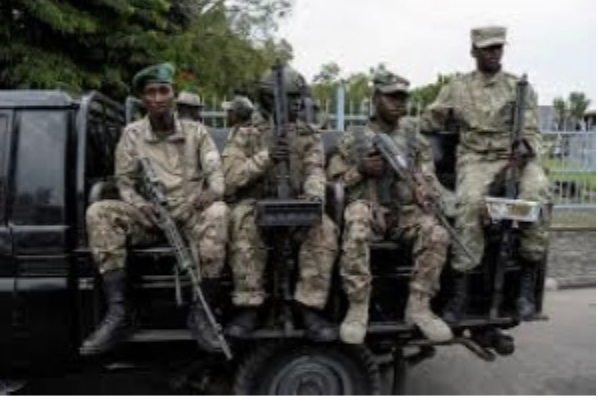
Reuters first reported on the killings of farmers in Rutshuru territory by M23 rebels, citing findings by the U.N. Joint Human Rights Office. Additional details about the massacre were reported by the U.S.-based group Human Rights Watch and the U.N. High Commissioner for Human Rights.
The rebels killed at least 319 civilians, including 48 women and 19 children, in an attack on four villages in Rutshuru from July 9 to July 21, according to Volker Turk, U.N. high commissioner for human rights, who made the announcement on August 6. Most of the victims were farmers working in their fields when they were attacked, Turk reported.
Conflicting Death Toll Reports
Human Rights Watch documented at least 140 deaths in its report but stated that the number of victims may exceed 300. The organization’s findings align with the broader U.N. assessment of the July violence in the Rutshuru territory.
Rwanda’s Official Response
The Government of Rwanda firmly rejected the findings alleging mass killing of civilians in Binza, Rutshuru territory of the Democratic Republic of Congo by M23 supported by the Rwanda Defence Force, according to an official statement. The accusations have no basis in fact and lack any evidence, the statement said.
Rwanda has long denied helping M23 and maintains that its forces act in self-defense when deployed in the region.
Regional Peace Efforts
Persistent violence in eastern Congo threatens U.S. President Donald Trump’s vision for the region, which has been plagued by war for decades and is rich in minerals including gold, cobalt, coltan, tungsten and tin.
A peace agreement signed on June 27 in Washington by the Congolese and Rwandan foreign ministers requires Congo to neutralize the Democratic Forces for the Liberation of Rwanda (FDLR). This Congo-based armed group includes remnants of Rwanda’s former army and militias that carried out the 1994 genocide.
Background Context
The M23 rebel group has been active in eastern Congo for over a decade, with international observers alleging Rwandan support. The region’s mineral wealth and complex ethnic dynamics have contributed to ongoing conflicts involving multiple armed groups and neighboring countries.