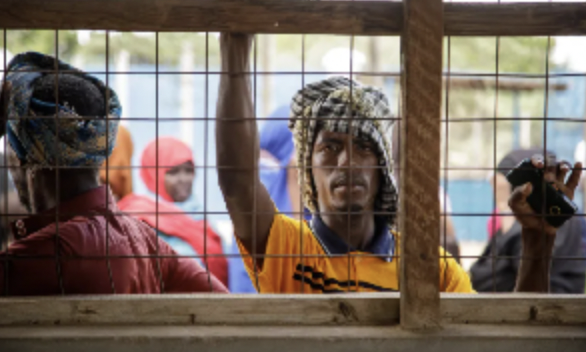
The World Food Programme has converted a new cash-based food aid system in Kenya’s Kakuma and Dadaab refugee camps.
This adjustment follows a reduction of traditional food aid programs drastically. In the new system, digital cards are given to the refugees to be able to shop from local retailers.
The change in policy was due to less donor funding that led WFP to reduce the physical food rations for more than 580,000 refugees in Kenya by.
The aim of the project is to provide nutrition to the refugees despite the shortfall in the budget, WFP Country Director Lauren Landis said, adding the measure was also designed to offer recipients more freedom of choice in the food while at the same time, local economies were being supported.
In the past, direct food distributions were the main source of food for the refugees, which had already been curtailed earlier in 2025 due to a lack of funds.
The cash system allows the beneficiaries to select the food items they want and that conform to their cultural preferences.
Nevertheless, the total level of assistance has decreased compared to the past few years. In both camps, the local traders are going to be the recipients of the increase in their sales, which is a result of the refugees’ cash allowances.
The lack of funds is a reflection of the difficulties in financing the humanitarian aid globally, and there are several crises vying for the scarce resources. WFP has requested for more support from the governments and private donors to help re-establish the full assistance levels.
The agency is letting the world know that if they don’t receive the necessary funding, the food cuts can exacerbate the refugees’ living conditions and increase the rates of malnutrition among them.